
Site Preparation Safety
Site preparation for an oil and gas well, in most instances, closely resembles a conventional construction site. Activities during this phase include earthmoving, grading, excavation, and the movement of heavy equipment. Because of these similarities, OSHA evaluates safety compliance during site preparation under the Safety and Health Regulations for Construction (29 CFR 1926).
This phase of development presents numerous hazards, including struck-by hazards, caught-in/between hazards, falls, equipment rollovers, and exposure to underground utilities. Proper planning, hazard recognition, and implementation of safe work practices are critical to protecting workers before drilling operations begin.
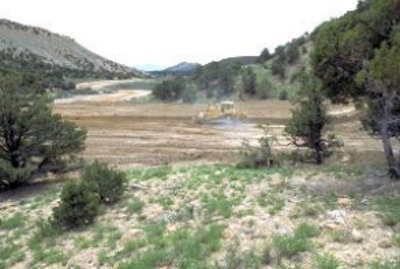
Once the location for the well site has been established, the area is prepared to support drilling operations. Site preparation typically progresses through the following steps, each of which introduces specific safety concerns that must be addressed through training, engineering controls, and safe work procedures:
- Site Preparation
- Leveling the site: Heavy equipment such as dozers and graders are used to create a stable, level work surface capable of supporting drilling rigs and support equipment.
- Excavating and trenching: Excavation activities may be required for foundations, drainage, pits, or utility installation. These operations must comply with OSHA excavation and trenching requirements, including protective systems and safe access/egress.
- Conductor Hole, Rathole, and Mousehole
- Conductor hole and pipe: A large-diameter starter hole may be drilled and lined with conductor casing to stabilize the upper portion of the borehole and prevent collapse of unconsolidated soils.
- Rathole: A smaller, deeper hole used to temporarily store the drill string when not in use, reducing trip hazards and improving work efficiency on the rig floor.
- Mousehole: A shallow hole used to stage individual joints of drill pipe for quicker connection during drilling operations.
- Transporting Equipment
- Transporting equipment by truck: Large and heavy components such as rigs, tanks, and pipe are delivered to the site using trucks and trailers, creating traffic and struck-by hazards.
- Unloading at the drill site: Cranes, forklifts, or winches are used to unload equipment. Proper rigging, load control, and exclusion zones are essential to prevent injuries during unloading operations.
Knowledge Check Choose the best answer for the question.
1-1. What activity is conducted during the first step in drill site preparation?
You forgot to answer the question!