
Leveling the Site
Before well drilling operations can begin, the drilling company must prepare the location by clearing vegetation, removing obstacles, leveling the ground, and constructing a stable pad capable of supporting the drilling rig and associated equipment. Proper site leveling is critical to maintaining equipment stability and ensuring safe operations throughout the drilling process.
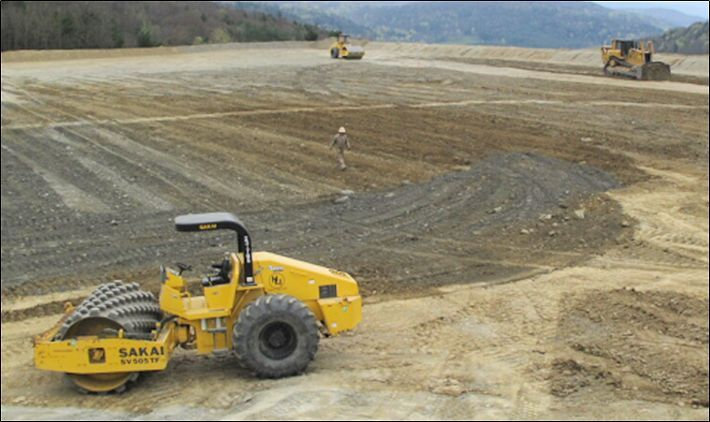
Site leveling is typically accomplished using heavy earthmoving equipment such as bulldozers, graders, scrapers, and compactors. These machines are used to create a firm, level surface while managing drainage and minimizing the risk of erosion or ground failure. Special care must be taken when working on uneven terrain, soft soils, or slopes to prevent equipment instability and rollovers.
Potential Hazards
- Damaging buried pipelines, electrical cables, or other underground utilities during clearing or grading operations.
- Unpredictable weather changes, such as heavy rain, high winds, or extreme temperatures, creating unexpected site hazards.
- Exposure to toxic or irritating plants, insects, pollen, or wildlife during vegetation removal.
- Uneven or unstable ground conditions that may cause bulldozers, graders, or other heavy equipment to lose traction or roll over.
- Reduced visibility due to dust, fog, or poor lighting conditions.
Possible Solutions
- Performing a comprehensive site line location survey to identify and mark all buried pipelines, utilities, and underground structures before earthmoving begins.
- Planning work activities around forecasted weather conditions and establishing procedures to address hazards created by sudden weather changes.
- Conducting follow-up inspections after significant weather events to identify new hazards such as washouts, soft ground, or erosion.
- Protecting employees involved in site clearing from exposure to toxic or irritating plants through training, protective clothing, and appropriate PPE.
- Training employees to recognize plant-related hazards and providing instruction on available first aid treatments for allergic reactions, rashes, or insect bites.
- Equipping all bulldozers and heavy equipment with rollover protective structures (ROPS) and ensuring they are properly maintained.
- Providing overhead and rear canopy guards on rider-operated equipment to protect operators from falling or flying objects.
Knowledge Check Choose the best answer for the question.
1-2. What is a potential hazard workers may face when leveling the site?
You forgot to answer the question!