
Engines
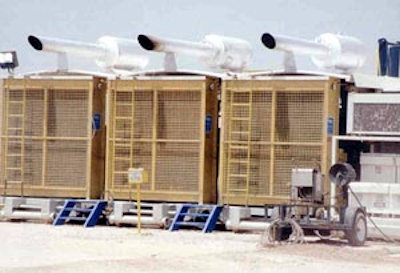
Engines used on drilling rigs provide power for hoisting, pumping, and other critical operations. To ensure reliable performance and safe operation, engines must be inspected, serviced, and maintained at manufacturer- recommended intervals.
Engine maintenance may involve working around hot surfaces, pressurized fluids, fuel systems, and rotating components. These tasks require careful planning and adherence to established safety procedures to prevent injury.
Engine Servicing and Maintenance
Potential Hazards
- Burns caused by contact with hot engine parts, exhaust components, or pressurized fluids such as oil or coolant.
- Being caught in or struck by moving or rotating engine components, including belts, pulleys, and fans.
- Cuts or lacerations from sharp edges, tools, or damaged engine components.
- Exposure to fuel, oil, or exhaust fumes during servicing.
Possible Solutions
- Wear appropriate Personal Protective Equipment (PPE), including gloves, eye protection, flame-resistant clothing, and safety footwear.
- Allow engines to cool down completely before beginning maintenance to reduce burn hazards.
- Use proper lockout/tagout (LOTO) procedures to isolate energy sources and prevent unexpected startup.
- Ensure all exposed rotating parts are covered with appropriate shields and guards before restarting engines.
- Maintain good housekeeping and keep work areas free from oil, grease, and debris.
Knowledge Check Choose the best answer for the question.
8-7. Why should workers let the engine cool before performing maintenance?
You forgot to answer the question!