
Electric Generators, Motors, and Systems
Electrical generators, motors, and distribution systems supply the power required to operate drilling equipment. Because these systems involve high voltage, rotating components, and stored energy, maintenance must be performed with extreme caution and in accordance with established electrical safety procedures.
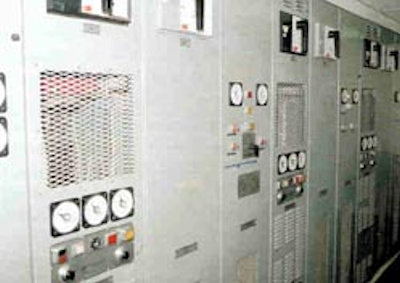
Electrical generators and control panels provide power to the rig.
- Electrical connections and power cords must be routinely inspected for wear, damage, or deterioration and replaced as necessary.
- Electric motors should be serviced at manufacturer-recommended intervals to prevent overheating or failure.
- All guards and protective covers must be present, intact, and correctly installed before equipment is energized.
- Motor and control-panel electrical connections should remain sealed and protected to prevent electrical shock, short circuits, and moisture intrusion.
Potential Hazards
- Electrical shocks or arc flash burns when servicing generators, motors, switchgear, or breaker panels.
- Being caught in or struck by moving or rotating equipment such as belts, shafts, and fans.
- Fire hazards due to damaged wiring, overloaded circuits, or improper maintenance practices.
Possible Solutions
- Never wash down generators, electric motors, or breaker panels with a water hose or other liquids.
- Avoid wearing jewelry, watches, or conductive accessories while working on or near electrical equipment.
- Do not stand directly in front of breakers when operating or resetting them.
- Use approved dielectric mats in front of control panels or breaker panels to reduce shock hazards.
- Follow proper lockout/tagout (LOTO) procedures to isolate and control hazardous electrical energy before performing maintenance.
- Wear appropriate Personal Protective Equipment (PPE), such as arc-rated clothing, insulated gloves, eye and face protection, and safety footwear.
- Ensure all exposed rotating or moving parts—such as belts, flexible drives, generators, shafts, and fans—are covered with appropriate shields or guards to prevent contact and injury.
Knowledge Check Choose the best answer for the question.
8-6. Why should electrical connections on motors be kept sealed?
You forgot to answer the question!