
Preventive Measures
Ensuring Adequate Rest Breaks
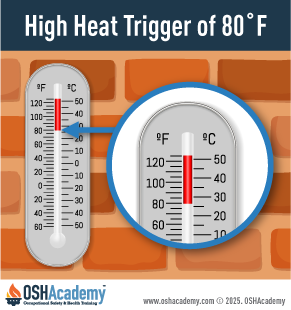
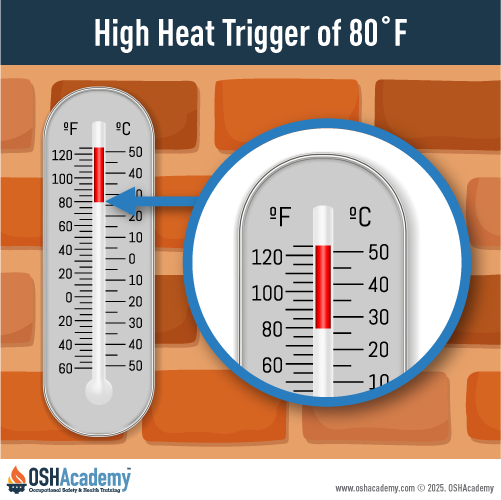
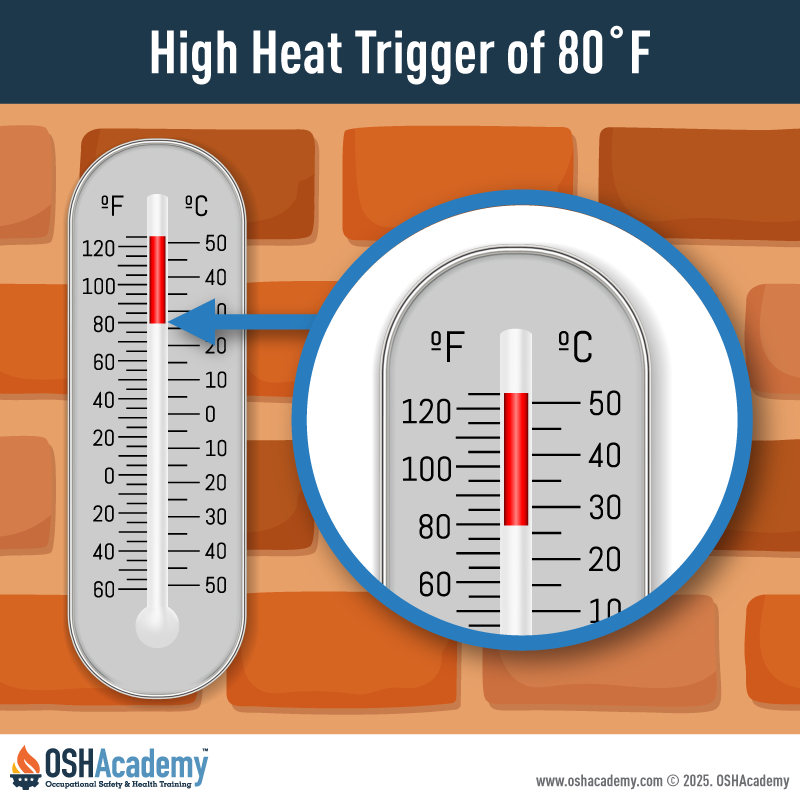
Taking rest breaks is essential for preventing heat-related illnesses and injuries, especially when working in hot environments. When the adjusted heat index exceeds 80°F (WBGT > 70), employers must provide shaded, cool areas for rest and hydration breaks.
Key Reasons Why Regular Rest Breaks Are Important:
- Body Temperature Regulation: Rest breaks allow the body to cool down. Physical activity increases body temperature, and taking a break helps bring it back to a safe level. This cooling period is necessary to prevent overheating.
- Hydration: During rest breaks, workers can drink water or electrolyte-rich drinks. Staying hydrated helps maintain normal body functions and prevents dehydration, which can lead to heat exhaustion or heat stroke.
- Improved Performance: Rest breaks help maintain energy levels and focus. Taking a break restores physical and mental energy, improving overall performance and safety.
- Reduced Risk of Accidents: Heat can impair cognitive and motor functions, increasing the likelihood of accidents. Breaks allow workers to recover and stay alert, reducing the risk of workplace injuries.
- Enhanced Recovery: Breaks provide an opportunity for the body to recover from physical exertion. This recovery time is essential for preventing muscle cramps and other heat-related discomforts that can affect work performance and health.
- Compliance with Safety Regulations: Adhering to guidelines that mandate regular rest breaks ensures compliance with safety standards. This not only protects workers but also helps avoid potential legal and financial consequences for the employer.
Regularly scheduled rest breaks, especially during extreme heat, are a critical component of workplace safety and health protocols, ensuring that employees remain healthy and productive.
Knowledge Check Choose the best answer for the question.
3-1. When must employers provide a minimum 15-minute paid rest break in hot environments?
You forgot to answer the question!