
Preventing Heat Illness: Workplace Best Practices
Heat Illness Prevention with ANSI A10.50
This course utilizes the best practices found within ANSI standard A10.50-2024. The goal of ANSI A10.50-2024 is to protect you from the dangers of heat exposure, which can lead to serious health problems or even death. The ANSI standard provides the minimum requirements your employer should meet to reduce heat illnesses for all work environments. By following the best practices provided in the standard, your employer can make your work environment safer, reduce risks presented by heat stress, and help keep you healthy on the job.


The Importance of Preventing Heat-Related Illnesses
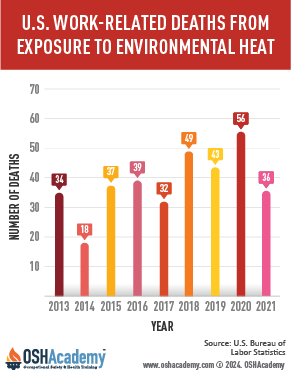
Heat-related illnesses, such as heat exhaustion and heat stroke, are serious health risks for workers. Symptoms can range from mild heat cramps to severe heat stroke, which can be fatal if not treated quickly. Since 2011, there have been 436 work-related deaths caused by environmental heat exposure in the United States, with 36 deaths recorded in 2021 alone.
Preventing heat-related illnesses is important because:
- It protects workers' health and well-being.
- It enhances productivity by reducing absences due to heat-related illnesses.
- It minimizes the risk of accidents and mistakes caused by impaired judgment or physical abilities under heat stress.
- It fosters a safer and more comfortable work environment, boosting employee morale.
Knowledge Check Choose the best answer for the question.
1-1. What is the main goal of ANSI standard A10.50-2024?
You forgot to answer the question!