
Control Strategies and Protective Measures
Engineering Controls
Engineering controls help make the workplace safer by changing the environment or using equipment to reduce the exposure to hazards, such as heat. This can include things like adding air conditioning to cool down indoor areas, using fans to increase airflow, and putting up barriers to block direct heat from the sun or hot machines.
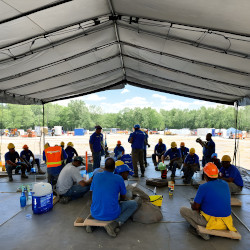
Air Conditioning and Ventilation
Air conditioning and ventilation are essential engineering controls for managing heat in the workplace. Air conditioning provides a cool environment for employees working indoors, significantly reducing indoor temperatures. This cooling system should be installed and maintained in work areas, break rooms, and other indoor spaces where heat stress could be an issue.
Ventilation, on the other hand, is essential for increasing airflow and reducing heat buildup in workspaces. Ventilation systems, such as exhaust fans, can remove hot air and bring in cooler air. Ensuring adequate ventilation in all work areas helps maintain a stable temperature and lowers humidity levels, which enhances the overall working environment.
Together, air conditioning and ventilation create a safer and more comfortable workplace, reducing the risks associated with high temperatures.
Knowledge Check Choose the best answer for the question.
5-1. What is the purpose of engineering controls in the workplace?
You forgot to answer the question!