
Inspecting the Rig
Before drilling operations begin, a complete walkaround inspection of the rig must be performed to identify and correct potential safety hazards.
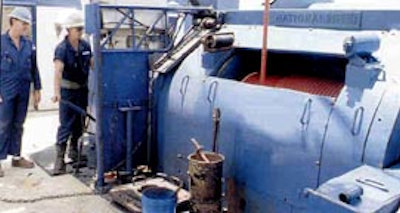
This inspection helps ensure that all equipment has been properly installed, secured, and is functioning as intended. To be most effective, the inspection should include at least two qualified individuals, such as the driller, rig superintendent, toolpusher, and another designated manager or competent person.
During the inspection, personnel should carefully check for the following conditions:
- Missing, loose, or improperly installed pins, bolts, and fasteners on structural and mechanical components.
- Proper installation and condition of equipment guards on moving or rotating machinery.
- Adequate guardrails, handrails, and toe boards on elevated work surfaces and walkways.
- Correct routing and secure placement of lines, hoses, and electrical cables to prevent entanglement or trip hazards.
- Clear, unobstructed walkways and work areas free from debris and temporary materials.
Potential Hazards
- Conditions that could result in falls from the rig floor, mast, or elevated work surfaces.
- Tripping hazards created by improperly routed cables, hoses, tools, or materials.
- Slipping hazards on walking surfaces due to oil, grease, mud, water, or other contaminants.
Possible Solutions
- Use appropriate fall protection systems, including guardrails, personal fall arrest systems, or safety nets as required.
- Route and secure all cords, hoses, and cables so they remain clear of walkways and work areas.
- Maintain good housekeeping by promptly cleaning and removing slipping hazards from walking surfaces.
Rigging Down
After production casing has been run and cemented, the drilling rig is disassembled and prepared for transport to another location. The rigging-down process is essentially the reverse of rigging up and involves removing, lowering, and loading equipment in a controlled sequence.
The hazards encountered during rigging down are generally similar to those present during rigging up, including struck-by hazards, fall hazards, pinch points, and equipment-handling risks. As with rig-up, careful planning, communication, and adherence to established safety procedures are essential to prevent injuries during rig-down operations.
Knowledge Check Choose the best answer for the question.
3-5. To be most effective, who should complete the walkaround inspection prior to rig operation?
You forgot to answer the question!