
Installing the Power System
Installing the power system is typically performed at the same time as setting up the rig floor, since electrical and mechanical power is required to operate drilling equipment, hoisting systems, pumps, and auxiliary machinery. Proper installation of the power system is critical to both safe rig-up and efficient drilling operations.
Today, there are generally two types of land drilling rigs in use, each with different power configurations:
- Mechanical rigs are powered by engines and mechanical compounds that transfer energy through chains, belts, and shafts to drive the rig equipment.
- Electric rigs are powered by engines and generators that produce electricity to supply power to electric motors, which in turn drive the rig machinery.
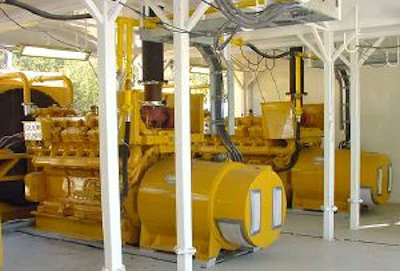
During power system installation, all power cords, electrical cables, belts, and chains must be properly connected to their associated machinery and power sources. At the same time, fuel lines and tanks are connected and secured. Once connections are verified and inspected, engines and generators can be started in accordance with established procedures.
Potential Hazards
- Tripping hazards caused by power cords, electrical cables, hoses, or fuel lines crossing walkways and work areas.
- Slips and falls on slick walking surfaces contaminated with oil, fuel, grease, or water.
- Caught-in or pinch-point hazards involving chains, belts, rotating shafts, and moving machinery.
- Exposure to chemical hazards such as fuels, oils, hydraulic fluids, and battery acids.
- Electrical shock or electrocution resulting from damaged cords, improper grounding, or energized equipment.
Possible Solutions
- Route and secure all cords, cables, and hoses in an orderly manner and keep them clear of walking and working areas.
- Keep walkways clean and dry, and promptly remove oil, fuel, or other slipping hazards.
- Exercise caution around all chains, belts, and rotating equipment, and ensure guards are in place before operation.
- Use appropriate Personal Protective Equipment (PPE) when handling fuels, chemicals, or batteries.
- Follow proper lockout/tagout procedures when installing, servicing, or repairing power systems and equipment.
Knowledge Check Choose the best answer for the question.
3-2. Why should you use caution when working around chains and belts?
You forgot to answer the question!