
Risk Factors for Heat-Related Illness
Personal Factors
Individual characteristics and behaviors also affect the risk of developing heat-related illnesses.
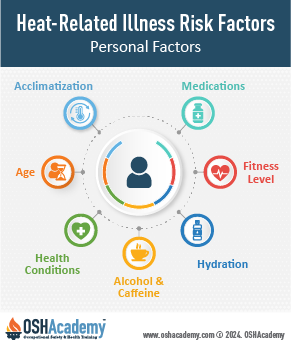

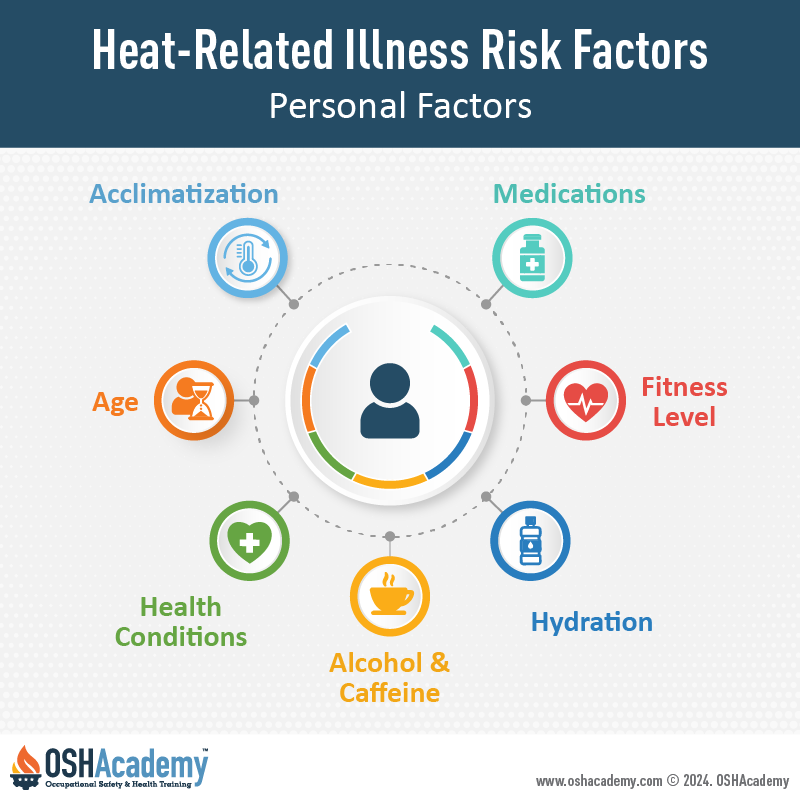
These include:
- Age: Young children and older adults are more vulnerable to heat stress due to less efficient thermoregulation.
- Health Conditions: Pre-existing health conditions, such as:
- Asthma and other respiratory health concerns
- Cardiac conditions
- Diabetes
- Fatigue and lack of sleep
- High blood pressure
- Obesity and high body mass index (BMI)
- Poor diet
- Pregnancy
- Prior heat illness episodes
- Smoking and tobacco use
- Medications: Certain medications and supplements, including diuretics and antihistamines, can impair the body's heat regulation.
- Fitness Level: Lower levels of physical fitness can increase the risk of heat stress during physical activity, as the body may be less efficient at cooling itself.
- Acclimatization: Lack of acclimatization, or not being accustomed to working in hot conditions, reduces the body's efficiency in managing heat.
- Hydration: Inadequate fluid intake can lead to dehydration, which increases the risk of heat-related illnesses.
- Alcohol and Caffeine: Consuming alcohol or caffeine can contribute to dehydration and impair the body's ability to cool down effectively.
Understanding your individual risk factors is important for preventing heat-related illnesses. When working in hot environments, consider these factors and make sure to stay hydrated, take regular breaks, and monitor how you feel.
Knowledge Check Choose the best answer for the question.
2-8. Which of the following is a personal factor that increases the risk of heat-related illness?
You forgot to answer the question!