
Hot Oiling Operations
In hot oiling operations, a hot oil unit is used to circulate heated oil or other fluids into a wellbore or surface piping system. The main purpose is to remove build-up such as paraffin, tar-based oils, or other hydrocarbon deposits that can clog the tubing, casing, or flowlines and restrict the flow of oil or gas.
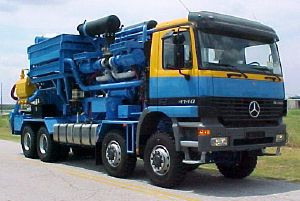
The hot oil is pumped into the system under pressure and helps to melt or loosen these deposits so they can be carried out of the well. The fluids can be circulated through the tubing, casing, surface lines, tanks, or separators depending on where the blockage is located. This method helps improve flow efficiency and keeps the well or production system operating smoothly.
Hot oiling must be performed carefully to avoid overheating, over-pressuring, or damaging the wellbore or equipment. Operators must monitor fluid temperature and pressure closely and follow safe work practices. Personal protective equipment (PPE) such as heat-resistant gloves, face protection, and flame-resistant clothing is required due to the high temperatures and risk of fluid contact.
Potential Hazards
- Fire or explosion hazard from contact with flammable liquids, vapors, or gases
- Being burned by hot oil or hot oil line
- Frostbite injuries from contact with propane or propane lines
- Unexpected release of pressure
We will look at the possible solutions to the hazards in hot oiling operations in the next section.
Knowledge Check Choose the best answer for the question.
6-8. What is a hazard associated with hot oiling operations?
You forgot to answer the question!