
Rig Down
During the rig down phase of the well site stimulation operations process, the crew begins removing and dismantling equipment used during the job. This includes disconnecting hoses, breaking down pump trucks, removing high-pressure lines, and loading tools and machinery onto transport vehicles.
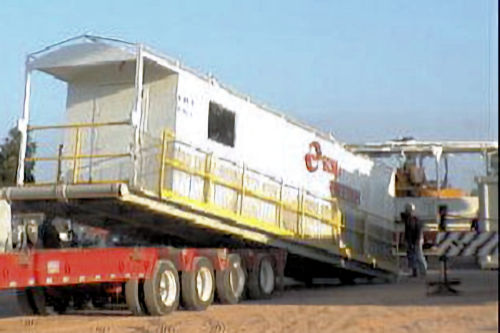
The hazards during rig down are similar to those during the rig up phase. These can include pinch points, struck-by hazards, slips and falls, pressurized equipment, and exposure to chemical residues. Workers may also face risks related to heavy lifting, limited visibility, and working in tight spaces.
To work safely, the crew must follow a clear step-by-step procedure, use proper personal protective equipment (PPE), and maintain communication with team members. All pressure must be bled off from lines before disconnecting, and tools should be inspected before use. A job hazard analysis (JHA) is recommended before starting rig down to identify site-specific hazards and reduce the risk of injury.
Potential Hazards
- Being struck by moving vehicles
- Being exposed to potential ignition hazards, including flammable or combustible liquids or gases
- Being exposed to potential skin and respiratory hazards
- Overexerting or receiving sprains and strains
- Being exposed to pinch points (such as, hammer union wings and hammers, pump iron and racks)
- Being struck by particles or fluid
- Slips, trips, and falls
- Being struck by falling equipment
- Being injured due to the unexpected release of trapped pressure
Possible Solutions
- Use a spotter(s) to direct equipment movement.
- Use mechanical lifting aids, proper lifting techniques, and team lifting where appropriate.
- Use proper hand and body positioning.
- Wear proper personal protective equipment (such as fall protection, respiratory, skin, and hearing protection) as appropriate for the hazards present.
- Conduct a post-job inspection to identify, then eliminate or correct hazardous work surfaces.
- Direct all non-essential personnel to stand clear.
- Follow procedures to release trapped pressure safely.
Knowledge Check Choose the best answer for the question.
6-4. What is a hazard associated with stimulation rig down operations?
You forgot to answer the question!