
Heavy Equipment Hazards
The use of heavy equipment on a jobsite is vital and necessary to the overall success of any construction project.
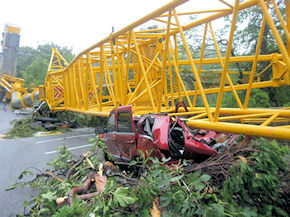
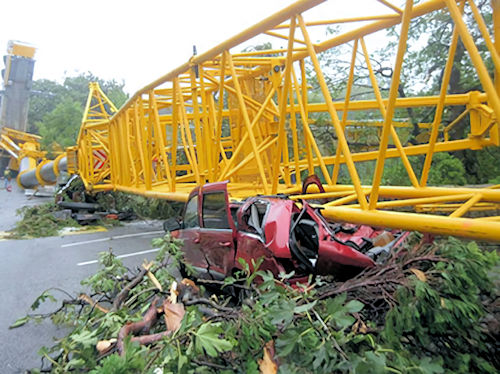
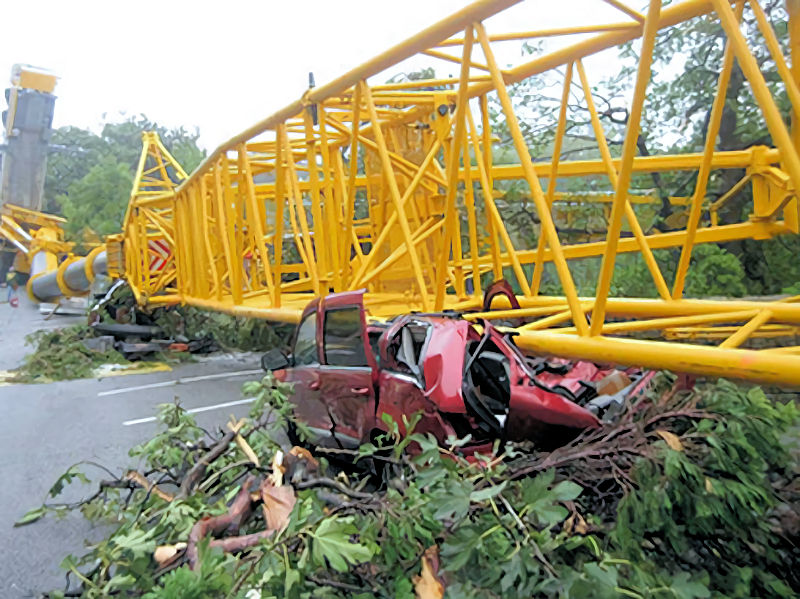
Machines such as bulldozers, excavators, loaders, and cranes allow workers to move materials, dig foundations, and complete tasks more efficiently and safely than manual labor alone. Heavy equipment saves time, reduces physical strain, and increases productivity.
However, the benefits of using heavy equipment come with serious risks. Unauthorized or unwise use of heavy equipment can lead to personal injury, loss of life, or severe damage to materials, tools, and property. Even a small mistake while operating or maintaining equipment can lead to major consequences on a jobsite.
Example: A worker was injured when operating a large excavator. The operator started the excavator’s bucket boom while another worker was inside a nearby trench. The operator failed to verify that the area was clear before moving the boom. As the bucket swung, the trench worker was pinned between the bucket and the trench wall and suffered a crush injury to his pelvis.
Poor Repair or Service
Poor repair or service is a common and dangerous hazard on construction sites. Repairs performed by unqualified or unauthorized individuals may lead to mechanical failures that put everyone at risk. Even small mistakes, such as using incorrect parts or skipping important safety checks, can lead to equipment breakdown or sudden malfunction during operation.
To ensure safety, heavy equipment must be inspected regularly and repaired only by a competent person (CP). Maintenance logs should be kept up to date, and any equipment that is not in safe operating condition must be taken out of service until properly repaired.
Obstructed View While Backing
One of the most common hazards when operating heavy equipment is the obstructed view while backing. Due to the large size and design of machines like dump trucks, loaders, and excavators, operators often have limited visibility behind and around the equipment. Blind spots can hide workers, vehicles, or materials, making backing up especially dangerous on busy jobsites.
Windows that are dirty, fogged, or cracked can make the problem worse by reducing visibility even more. If mirrors are missing or out of adjustment, the operator may not see what is behind the machine. Backing without a clear view puts workers at risk of being struck or run over, especially those on foot who may not realize they are in a danger zone.
Example: A worker was fatally injured when a loader backed up and struck him. The operator did not see the worker because of a blind spot, and the rear window was covered in mud, further limiting visibility.
Knowledge Check Choose the best answer for the question.
2-1. A maintenance worker replaces a key part of a crane using incorrect hardware. What hazard does this create?
You forgot to answer the question!