
Work Zone Safety and Traffic Control
Safety in construction work zones is a serious concern. Roadside and highway construction is one of the most hazardous jobs in the United States.
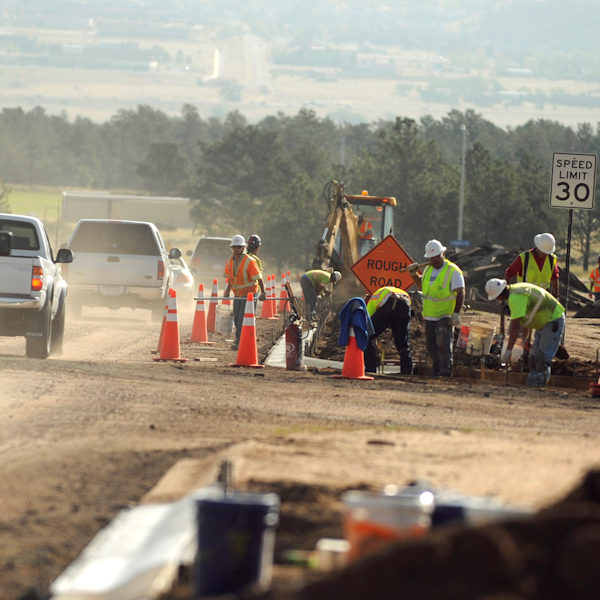
Workers face risks from moving vehicles, construction equipment, and changing site conditions. Traffic control, visibility, and proper planning are essential to reduce the chance of injury or fatal accidents.
Common Work Zone Hazards
Construction workers in or near roadways may be exposed to the following hazards:
- Passing motor vehicles – Drivers who are speeding, distracted, or unaware of work zones can enter the work area and strike workers or equipment.
- Equipment movement within the work zone – Workers may be struck by dump trucks, pavers, loaders, backhoes, or other heavy equipment moving in tight spaces.
- Flagger and spotter injuries – Workers controlling traffic or guiding equipment are at high risk of being struck if drivers or operators are not alert.
- Overturned equipment – Uneven surfaces or unstable soil can cause vehicles to tip or roll over, potentially crushing workers nearby.
- Caught-in or struck-by hazards – Workers may be pinned or caught between equipment, vehicles, barriers, or materials.
- Dust, visibility, and weather conditions – Dust, poor lighting, fog, or rain can reduce visibility and increase the chance of an accident.
Work Zone Safety and Traffic Control Measures
Employers must plan for work zone safety before any project begins. This includes setting up proper traffic control systems and protecting workers from internal and external hazards.
- Use approved traffic control plans (TCPs) – Follow state or federal guidelines for placing signs, cones, barricades, and flaggers. Plans must be site-specific and updated as conditions change.
- Install physical barriers – Concrete or water-filled barriers can help separate workers from live traffic lanes.
- Position flaggers and warning signs properly – Place signs far enough in advance to give drivers time to slow down. Flaggers must wear high-visibility clothing and stand in safe, visible locations.
- Control internal traffic – Use designated routes for equipment and trucks. Limit backing and use spotters when reversing vehicles or equipment.
- Use lights and alarms on all equipment – Backup alarms, flashing lights, and mirrors help alert workers and prevent blind spot incidents.
- Provide high-visibility clothing – Workers must wear reflective vests and gear rated for daytime or nighttime visibility, depending on the shift.
- Train all personnel – Workers must be trained to recognize work zone hazards, follow the traffic control plan, and communicate effectively on-site.
- Slow traffic with posted speed limits and enforcement – Reduce speed limits through the work zone and use law enforcement when needed to ensure driver compliance.
Emergency Response and Incident Prevention
- Have a clear emergency plan – All workers should know what to do if an accident occurs, including how to call for help and where to go for safety.
- Review incidents and near misses – Supervisors must investigate any incident, determine the cause, and make changes to prevent future events.
- Monitor traffic and worker behavior – Supervisors should regularly check for compliance with traffic control setups and worker positioning.
Knowledge Check Choose the best answer for the question.
5-1. A crew leader wants to reduce blind spot incidents. Which action from the content should they apply?
You forgot to answer the question!