
Protecting Workers from Vehicular Traffic
Protecting workers from vehicle-related hazards is a major priority in roadway and construction work zones.
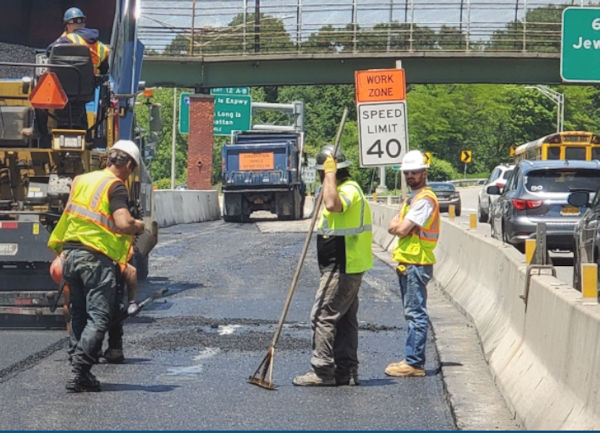
According to the Bureau of Labor Statistics (BLS), workers in these areas face significant risks from both public traffic and construction equipment. These hazards can lead to severe injuries or fatal incidents if proper protective measures are not in place.
According to BLS data, traffic zone workers are almost equally likely to be struck by construction or maintenance equipment—such as dump trucks, bulldozers, or graders—as they are to be struck by cars, vans, trucks, buses, or motorcycles passing through or near the work zone. Between 2019 and 2023, BLS reported that an average of 54 fatalities were caused by workers struck by vehicles in work zones.
Work zones can be especially hazardous when vehicles intrude into the area or when construction equipment operates in tight spaces. Barriers, such as concrete or water-filled dividers, are commonly used to keep workers separated from roadway traffic and reduce the chances of intrusion.
Common Causes of Fatalities
Most fatal incidents in work zones involve one of the following:
- On-foot workers struck by passing vehicular traffic – Motorists who are distracted, speeding, or unaware of lane shifts may enter the work zone and strike workers.
- On-foot workers struck by construction vehicles – Equipment operators may have limited visibility, especially in backing zones and blind spots, which increases the risk of striking ground workers.
- Construction vehicle operator and occupant events – Rollover incidents can occur when heavy equipment operates on unstable soil, slopes, or near the edges of excavations.
- Highway traffic accidents involving vehicle intrusion – Collisions on the roadway can cause vehicles to crash into the work area, endangering workers and equipment operators.
Safety Measures to Protect Workers
Employers must use multiple layers of protection to reduce the risk of vehicle-related incidents in work zones. Important safety measures include:
- Use of physical barriers – Concrete or water-filled barriers help protect workers from vehicle intrusion by creating a strong separation between traffic and the work zone.
- Clear traffic control plans – Plans must include signs, cones, warning devices, advance notices, and speed reductions to alert drivers of work activity ahead.
- High-visibility apparel – Workers must wear reflective garments that meet ANSI/ISEA high-visibility standards for both day and night operations.
- Spotters and flaggers – Trained flaggers must help direct traffic safely, and spotters must guide equipment movement to prevent collisions with on-foot workers.
- Equipment with alarms and lighting – Backup alarms, flashing beacons, mirrors, and cameras help improve visibility for both operators and workers nearby.
- Controlled access to the work zone – Only authorized workers and equipment should enter active areas. Pedestrians and untrained personnel must be kept out.
- Safe positioning of workers – Workers must stay out of vehicle blind spots and never stand between equipment and fixed objects.
- Training and communication – All workers must understand traffic patterns, equipment movement, emergency procedures, and hand-signal communication.
Knowledge Check Choose the best answer for the question.
5-2. Why are barriers such as concrete or water-filled dividers used in work zones?
You forgot to answer the question!