
Fire Prevention Plan (FPP) Basics
Purpose of The FPP
The primary purpose of a Fire Prevention Plan (FPP) is to proactively eliminate the causes of fire, reduce the risk of injury or death, and minimize potential property damage. It also ensures compliance with the Occupational Safety and Health Administration (OSHA) rules contained in OSHA 1910.39 - Fire Prevention Plans (See link below).
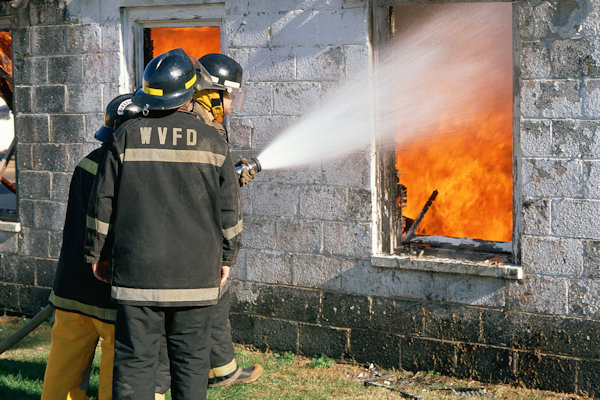
The purpose of a Fire Prevention Plan is to eliminate the causes of fire, prevent loss of life and property by fire.
The FPP also helps the employer meet the following objectives:
- Helps identify fire hazards in the workplace and implement measures to eliminate or control them.
- Protects employees by outlining safe work practices and responsibilities related to fire prevention.
- Reduces the risk of fire-related emergencies that can disrupt operations, harm personnel, or damage equipment.
The plan serves as a communication tool that provides employees with clear guidelines on:
- Recognizing fire hazards.
- Reporting unsafe conditions or practices.
- Understanding procedures for fire prevention and response.
In addition, the Fire Prevention Plan:
- Identifies fuel sources—such as flammable materials, chemicals, or combustible waste—that could ignite or feed a fire.
- Describes fire protection systems on-site, including:
- Fixed fire extinguishing systems
- Sprinkler systems
- Smoke detectors and fire alarms
- Outlines procedures for maintenance and safe storage of hazardous materials to reduce ignition risks.
- 1910.39(a) Application. An employer must have a fire prevention plan when an OSHA standard in this part requires one. The requirements in this section apply to each such fire prevention plan.
- 1910.39(b) Written and oral fire prevention plans. A fire prevention plan must be in writing, be kept in the workplace, and be made available to employees for review. However, an employer with 10 or fewer employees may communicate the plan orally to employees.
- 1910.39(c) Minimum elements of a fire prevention plan. A fire prevention plan must include:
- 1910.39(c)(1) A list of all major fire hazards, proper handling and storage procedures for hazardous materials, potential ignition sources and their control, and the type of fire protection equipment necessary to control each major hazard;
- 1910.39(c)(2) Procedures to control accumulations of flammable and combustible waste materials;
- 1910.39(c)(3) Procedures for regular maintenance of safeguards installed on heat-producing equipment to prevent the accidental ignition of combustible materials;
- 1910.39(c)(4) The name or job title of employees responsible for maintaining equipment to prevent or control sources of ignition or fires; and
- 1910.39(c)(5) The name or job title of employees responsible for the control of fuel source hazards.
- 1910.39(d)Employee information. An employer must inform employees upon initial assignment to a job of the fire hazards to which they are exposed. An employer must also review with each employee those parts of the fire prevention plan necessary for self-protection.
Knowledge Check Choose the best answer for the question.
1-1. What is the primary purpose of a Fire Prevention Plan (FPP)?
You forgot to answer the question!