
Key Features of the Fire Prevention Plan
The key features of an effective FPP include the following:
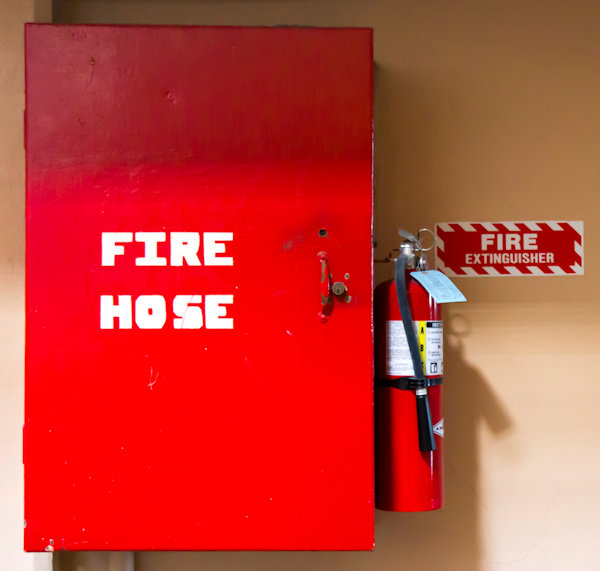
The plan describes fire protection equipment and/or systems used to control fire hazards.
- Fire Hazard Identification: The plan clearly lists all materials in the workplace that are considered fire hazards. It also describes the safe handling and storage procedures for each of these materials.
- Control of Ignition Sources: The plan identifies potential ignition sources (such as open flames, sparks, hot surfaces, or electrical equipment) and outlines procedures to control or eliminate them.
- Fire Protection Equipment and Systems: The plan describes the types of fire protection equipment used in the facility, including:
- Portable fire extinguishers
- Fire alarm systems
- Sprinkler or suppression systems
- Fire hoses and reels
- Responsible Personnel: The plan assigns employees responsible for:
- Maintaining fire protection equipment and systems
- Controlling and managing ignition sources
- Overseeing the accumulation and disposal of flammable and combustible materials
- Conducting FPP training, inspections and evaluations
- Good Housekeeping Practices: The plan includes procedures for keeping work areas clean and free from combustible waste materials, such as oily rags, paper, dust, or packaging. This helps prevent the buildup of flammable residues that could ignite.
- Employee Training: The plan ensures all employees are educated and trained on:
- Fire hazards present in their specific work area
- The use of fire extinguishers
- Safe practices to prevent fires
- Proper response and reporting procedures in case of fire
Knowledge Check Choose the best answer for the question.
1-3. Why is good housekeeping important in fire prevention?
You forgot to answer the question!