
Habitat Affected
Plant Life
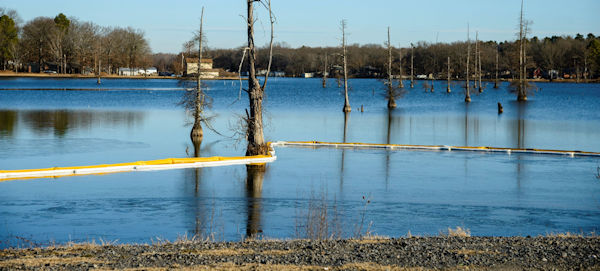
When oil reaches coastal habitats like marshes, mangrove forests, or wetlands, it can cause serious and long-lasting damage. Plants in these areas—especially grasses, reeds, and mangrove roots—can absorb oil into their fibers. This not only harms the plants themselves, but also makes the entire habitat unsuitable for the animals that rely on that vegetation for food, shelter, or breeding.
Once coated with oil, plant leaves can’t take in sunlight or exchange gases properly, which can lead to plant death. The soil can also become contaminated, affecting seed growth and root systems. In wetland areas, recovery from oil spills may take years, especially if the spill occurs during a sensitive time in the growing season.
Marine Life
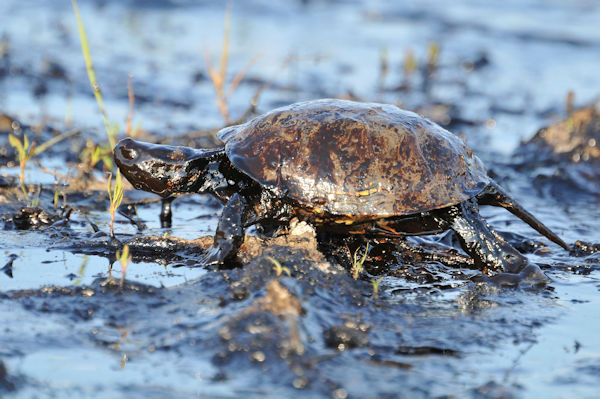
Since most types of oil float on the surface of the water, animals that live on or near the surface are the most at risk. This includes seabirds, sea otters, sea turtles, and marine mammals. Oil coats their bodies, leading to serious health problems—or death—if not rescued quickly.
Oil can destroy the natural waterproofing and insulation of feathers and fur. Birds can no longer fly, float, or stay warm, while marine mammals like otters may lose their ability to maintain body temperature. Oil can also be swallowed by animals during grooming or feeding, leading to internal damage, poisoning, or death.
- Seabirds are often harmed in the largest numbers during oil spills. Oil-coated feathers cause them to sink or die from hypothermia.
- Sea otters rely on their clean fur to keep warm. Oil exposure can cause them to freeze in cold waters.
- If oil stays on shorelines or beaches for a long time, animals like snails, clams, crabs, and even land mammals that visit these areas can also be affected.
The severity of environmental damage from an oil spill depends on several important factors, such as:
- The amount of oil spilled
- The type and thickness (weight) of the oil
- The location of the spill (open ocean, shoreline, wetland, etc.)
- The species of wildlife living in or near the area
- Whether the spill occurs during breeding seasons or migrations
- The weather conditions before, during, and after the spill
Oil spills can have devastating effects on both plant and animal life. Some ecosystems may take years or even decades to recover. This is why prevention and rapid response are critical.
Source: NOAA – How Oil Harms Marine Environments
Knowledge Check Choose the best answer for the question.
3-6. Which of the following are harmed and killed in greater numbers than any other creatures by most oil spills?
You forgot to answer the question!