
Environmental Damage
Oil spills cause serious and sometimes long-lasting damage to the environment. When oil reaches the shoreline, it can affect a wide variety of plants and animals. These include birds, reptiles, amphibians, fish, invertebrates (like crabs and shellfish), wetland plants, marine mammals (such as seals and dolphins), and land-based animals (like raccoons and deer).
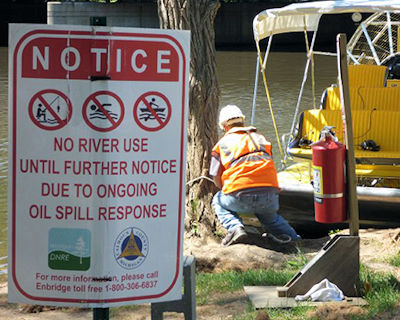
Oil is toxic to most forms of life. When it spills into the environment, it causes damage in several ways. One of the most harmful effects is when oil coats feathers, fur, and plant surfaces. This sticky coating prevents animals from staying warm, floating, flying, or moving freely. It also affects their ability to find food or escape predators.
Many animals try to clean themselves by licking or preening their fur or feathers. In doing so, they often swallow the oil, which can cause internal injuries, poisoning, or even death. Some animals may also eat prey that has absorbed toxic oil, continuing the cycle of contamination within the food chain.
Even small amounts of oil can disrupt fragile ecosystems, especially in wetlands, coral reefs, or spawning areas. Recovery from oil damage can take years or even decades, depending on the type of oil, the location of the spill, and the speed of the cleanup effort.
What to Expect
- Workers responding to oil spills may encounter difficult and distressing scenes, including dead or bloated animal carcasses, injured wildlife struggling to move, and shorelines covered in thick black oil. These conditions can be both emotionally and physically demanding.
- Many animals die soon after a spill, especially those with high exposure to oil. Birds and small mammals are especially at risk. When coated in oil, they quickly lose the ability to regulate their body temperature, which leads to hypothermia and death.
- Long-term impacts can also be severe. In the months and years following a spill, more animals may die as they consume contaminated food, live in polluted environments, or continue to be exposed to leftover oil. These delayed effects often lead to population declines and changes in local ecosystems.
Knowledge Check Choose the best answer for the question.
3-4. A bird covered in oil begins preening its feathers. What additional danger does this behavior create?
You forgot to answer the question!