
What Happens When the Oil Reaches Shore?
When oil reaches the shoreline, how it spreads and how long it stays depends on several key factors, including wave energy, tides, the type of shoreline material (called the substrate), and the steepness or slope of the land.
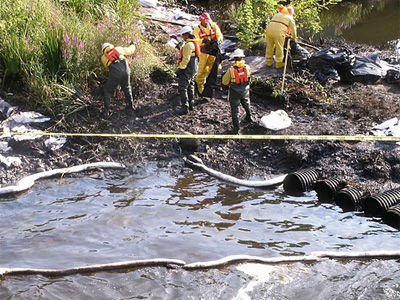
Areas with strong wave action and frequent tides may help break up and carry oil away more quickly. However, in calm or sheltered areas, oil may settle, stick to surfaces, or seep into the ground, making cleanup harder and the environmental impact more severe.
Shoreline types are ranked based on three main factors:
- How difficult the oil would be to clean up
- How long the oil is likely to remain in the environment
- How sensitive the shoreline ecosystem is to oil exposure
This ranking helps responders decide which areas should be prioritized for cleanup and which methods should be used.
Shorelines can vary dramatically in their shape and materials. For example:
- Some shorelines are narrow beaches made of rounded cobbles or small pebbles. Oil may seep into the spaces between the rocks and be difficult to remove.
- Other beaches are wide and sandy, or made of crushed shells. Oil tends to stay on the surface in these areas and may be easier to recover.
- Some shorelines are rocky cliffs with no beach at all. In these areas, oil can coat the rock face or pool in cracks and crevices.
The materials that make up a beach—such as sand, gravel, or rock—greatly influence how oil behaves and how it must be cleaned up. Oil can bind tightly to rough surfaces or soak into loose materials, making recovery more complicated.
In some cases, oil may remain hidden in the environment longer than expected. For example, if oil weathers (changes over time due to exposure) on the surface, it can form a thin outer "skin." When this hardened layer is disturbed—such as during cleanup—it may break and release fresher, more toxic oil underneath.
In other cases, oil may not form thick tar balls as expected. Instead, when mixed with water, plant matter, and organic debris, it may form a soft, sticky material called "mousse." This mousse can spread over large areas and be difficult to remove, especially in wetland areas or shallow marshes.
Every shoreline is different, which is why oil spill response teams must carefully assess each site to determine the best cleanup approach.
Knowledge Check Choose the best answer for the question.
3-3. Why do calm or sheltered shoreline areas often have more severe oil impacts?
You forgot to answer the question!