
Diesel Exhaust/Diesel Particulate Matter (DPM)
Diesel engines provide power to a wide variety of vehicles, heavy equipment, and other machinery used in a large number of industries including mining, transportation, construction, agriculture, maritime, and many types of manufacturing operations.
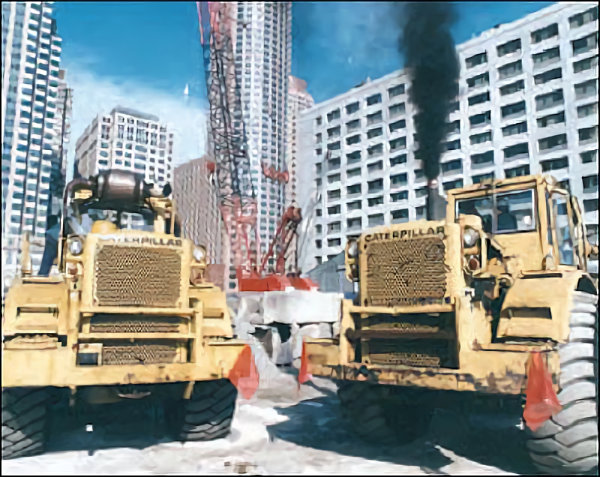
The exhaust from diesel engines contains a mixture of gases and very small particles that can create a health hazard when not properly controlled.
What Is Diesel Exhaust?
If diesel engine exhaust on a worksite is not properly controlled (e.g., no or poor exhaust ventilation, no after-treatment like diesel particulate filters (DPFs), idling for long periods in enclosed or poorly ventilated areas), the mixture of gases and small particles—collectively called diesel exhaust or diesel particulate matter (DPM)—can cause a range of serious health and safety problems:
Sources of Diesel Exhaust
DPM exposure happens when workers operate or work near diesel-powered equipment, especially in enclosed or poorly ventilated areas. Some common sources include:
- Heavy construction equipment such as bulldozers, excavators, and pavers
- Warehouse equipment such as diesel forklifts and generators
- Mining and tunnel operations where ventilation may be limited
- Ships, ports, and marine terminals using diesel engines for loading and movement
- Loading docks, rail yards, and garages where engines may idle for long periods
Health Hazards of DPM Exposure
Breathing in diesel exhaust can cause both short-term and long-term health effects:
Short-Term (Acute) Effects
- Eye, nose, and throat irritation
- Headaches, dizziness, nausea
- Respiratory irritation (coughing, shortness of breath)
- Worsening of existing asthma or allergies
- Carbon monoxide (CO) poisoning in poorly ventilated/confined spaces (headache, confusion, loss of consciousness, death at high levels)
Long-Term (Chronic) Effects
- Increased risk of lung cancer
- (Diesel exhaust is classified by IARC/WHO as a Group 1 carcinogen—“carcinogenic to humans”)
- Chronic obstructive pulmonary disease (COPD), emphysema, chronic bronchitis
- Cardiovascular disease (heart attacks, strokes)
- Reduced lung function
- Possible bladder cancer and other cancers (evidence is still being evaluated)
For more information on the hazards posed by diesel exhaust, visit OSHA's Hazard Alert - Diesel Exhaust/Diesel Particulate Matter webpage.
Knowledge Check Choose the best answer for the question.
3-3. If the exhaust from a diesel engine is not properly controlled, what can the mixture of gases and small particles cause?
You forgot to answer the question!