
Unsafe and Inappropriate Behaviors
Simply put, unsafe behaviors are what we do or don't do that result in an injury or illness. These include work procedures that increase the likelihood of an injury.
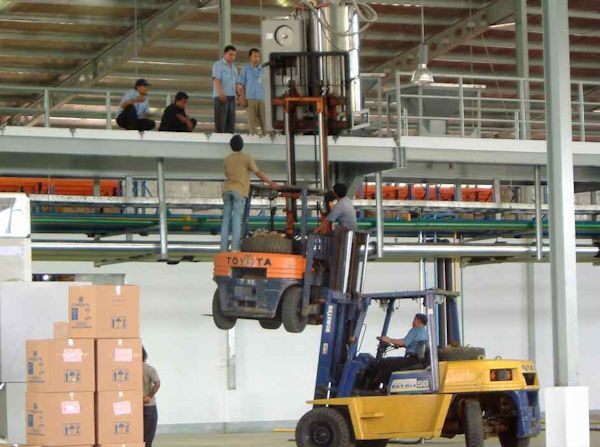
Workplace incidents often involve interacting conditions, work practices, and management-system factors. An effective review looks beyond an individual's action to understand why the action made sense in the work environment.
- Repeated exposure without an incident can reduce a person's perception of risk.
- Time pressure, unclear procedures, inadequate training, poor equipment design, and limited resources can influence work practices.
- Employees may take shortcuts when they believe those shortcuts are expected, efficient, or unlikely to cause harm.
- Explaining why a safety procedure matters, and providing the training and resources needed to follow it, supports reliable performance.
- Supervisors and managers demonstrate safety leadership when they provide training, oversight, resources, and a consistent example.
Unsafe Employee Behaviors
Employees make choices about safety each day. They may choose to work safely or ignore safety, depending on the consequences they expect.
Employees may work within a safety culture that expects and insists on high safety behavioral standards. On the other hand, some employees may work within a culture that actually encourages unsafe behaviors. Ultimately, employee behaviors in the workplace depend on the safety culture (leadership) and safety system design (management).
Knowledge Check Choose the best answer for the question.
5-4. Which management action supports reliable compliance with safety procedures?
You forgot to answer the question!