
Health Hazards and Exposure
Working around crude oil during a spill cleanup can expose workers to a variety of health hazards. These hazards can affect both short-term and long-term health. Understanding how exposure happens is important for staying safe.
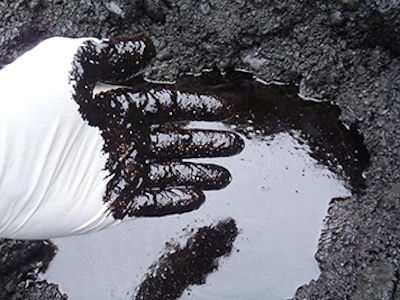
Inhalation and skin contact are serious health hazards.
Health hazards generally associated with crude oil include:
- Inhalation: Breathing in toxic gases, especially volatile hydrocarbons like benzene. These chemicals can enter the air during and after a spill, especially in hot weather or during cleanup. Inhalation of these fumes may cause headaches, dizziness, respiratory issues, and long-term problems such as cancer.
- Skin Contact: Skin contact with crude oil can lead to irritation, rashes, or burns. Repeated or prolonged contact may cause dermatitis, which is inflammation of the skin. In some cases, long-term exposure may increase the risk of developing skin cancer.
Other symptoms of exposure may include eye irritation, nausea, fatigue, and confusion. Personal protective equipment (PPE) like gloves, goggles, and respirators should always be used as recommended for the worksite.
Occupational Exposure Limits (OEL)
- Cleanup workers often work long shifts, sometimes more than 8 hours a day for several days in a row. This extended exposure increases the risk of health effects from crude oil.
- Standard exposure limits (like OSHA’s Permissible Exposure Limits or ACGIH’s Threshold Limit Values) are usually based on a normal 8-hour workday. These limits may not accurately reflect the real risks for oil spill responders.
- Occupational Exposure Limits do not account for skin absorption or accidental ingestion, which can happen during spill cleanups when workers handle oily equipment or surfaces.
- Always check with your site supervisor or safety officer for site-specific exposure guidelines and safe work practices.
Be cautious during cleanup operations. If you are unsure about the risks or procedures, ask your supervisor before continuing.
Knowledge Check Choose the best answer for the question.
2-4. What are the two primary health hazards to which oil spill cleanup workers are exposed?
You forgot to answer the question!