
Oil Spill Responder Training
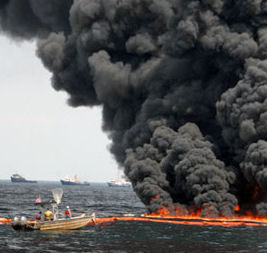
Oil spill cleanup work can be dangerous. Responders may face hazards such as toxic fumes, fire risks, slippery surfaces, and exposure to hazardous substances.
To help keep everyone safe, training is required before anyone begins working on-site. This training must be given in a language and format the workers can easily understand.
The Occupational Safety and Health Administration (OSHA) requires this training under the Hazardous Waste Operations and Emergency Response (HAZWOPER) standard (29 CFR 1910.120). Untrained workers must not be allowed to enter areas where oil, chemicals, or other harmful substances may be present.
The goal of training is to make sure responders know:
- What hazards they may face
- How to protect themselves and others
- How to safely do their assigned tasks
All oil spill response workers must be trained in the following topics before working on-site:
- Initial site briefing: A meeting to review site conditions, job assignments, and known hazards. This may include reviewing the Site Safety Plan or a NIMS assignment form.
- Emergency procedures: Instructions on how to respond to emergencies, including alarms, evacuation routes, reporting injuries, and communication procedures—based on the site-specific Health and Safety Plan (HASP).
- Use of personal protective equipment (PPE): Workers must learn how to select, wear, use, and maintain PPE such as gloves, boots, respirators, or suits.
- Hazard awareness: Information on the types of chemicals, fumes, and materials they may encounter, including the short- and long-term health effects of exposure.
- Job duties: A clear explanation of each worker's responsibilities, how to safely perform tasks, and when to ask for help or report unsafe conditions.
- Chain of command: Overview of the Unified Command structure, including who is in charge and how to report safety concerns or updates.
- Decontamination procedures: Step-by-step guidance on how to remove contaminated clothing and equipment without spreading harmful substances.
- Other safety precautions: Any other safety information specific to the spill site, such as working around wildlife, handling equipment, or weather-related risks.
All training should be documented and kept on file. Workers must be given the opportunity to ask questions and make sure they understand the material. As conditions on the job site change, workers may need refresher training or additional instruction ("just-in-time" training) to stay safe and compliant.
Knowledge Check Choose the best answer for the question.
1-9. A new responder arrives at a spill site and has not completed required training. What should happen?
You forgot to answer the question!