
Hazardous Materials and Hazard Communication
Oil spill cleanup operations often involve dangerous materials like crude oil, cleaning agents, and chemical dispersants. Workers must understand the hazards of these materials and how to protect themselves. Hazard communication is a key part of staying safe on the job.
- Hazard Communication training is required before starting work. This training covers the dangers of oil and any other hazardous materials used during cleanup.
- Safety Data Sheets (SDS) must be available for all chemicals on site. These sheets explain how to safely use each chemical and what to do in an emergency. Workers should read them and follow all safety instructions.
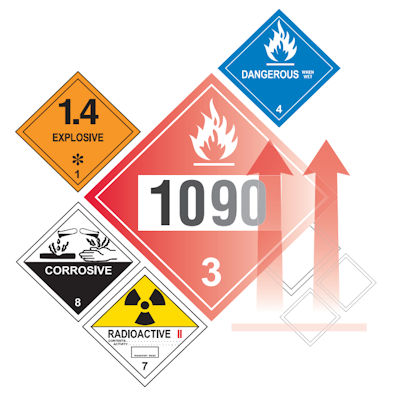
- Warning labels and signs such as the NFPA 704 diamond or DOT labels may be on chemical containers. These markings show things like flammability, health risks, and reactivity. Workers should know what these labels mean.
- Never handle containers without labels. If you find an unmarked container, do not touch it. Tell your supervisor right away. It could be dangerous.
Knowing how to read safety labels and understanding chemical hazards helps keep everyone safe during oil spill cleanup operations.
Hazardous Material Markings
Knowledge Check Choose the best answer for the question.
1-10. Which hazard communication tools help workers identify flammability and health risks?
You forgot to answer the question!