
Electrical Systems
Area Type (Classified)
Certain areas on a drilling or servicing rig are known as classified (hazardous) locations because they require special electrical equipment and installation methods to prevent ignition of hazardous atmospheres.
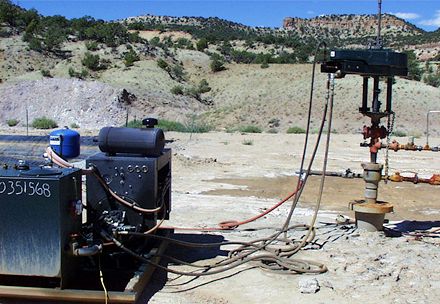
The National Electrical Code (NEC) classifies hazardous locations according to the type of hazardous material that may be present:
- Class I – Locations where flammable gases or vapors may be present in the air in sufficient quantities to produce explosive or ignitable mixtures.
- Class II – Locations where combustible dusts, such as grain dust, coal dust, or metal dust, may be present in concentrations capable of causing an explosion.
- Class III – Locations where easily ignitable fibers or flyings, such as cotton fibers, wood shavings, or textile materials, may be present. Although these materials do not normally remain suspended in the air long enough to create an explosive atmosphere, they can still present a fire hazard.
Oil and gas drilling and servicing operations commonly involve classified hazardous locations because methane, propane, hydrogen sulfide, and hydrocarbon vapors may be released during normal or abnormal operations.
Equipment in classified areas on the rig must be inspected to ensure that the equipment and electrical installation meet the requirements of the designated classification. The equipment installed in classified areas must be inspected, approved, and maintained in safe operating condition.
Bottom line: There should be no non-classified equipment in classified areas and all cables and conduit should be in good condition. If non-classified equipment is discovered in a classified area, the contractor should be told to move the equipment out of the area. Also, crossover plugs that cross from classified outlets to non-classified equipment or cords should not be used when classified areas are active.
Knowledge Check Choose the best answer for the question.
2-5. If you, as an inspector, see non-classified equipment in a classified area, what should you do about it?
You forgot to answer the question!