
SMS and Wellsite Analysis
Plan for Wellsite Analysis
When planning for an oil and gas wellsite analysis, be sure to include the following four processes:
- Comprehensive baseline survey
- Change analysis
- Job hazard analyses (JHA)
- Periodic and daily safety inspections
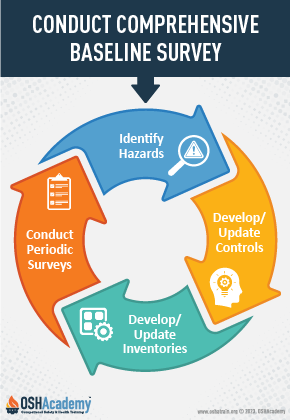
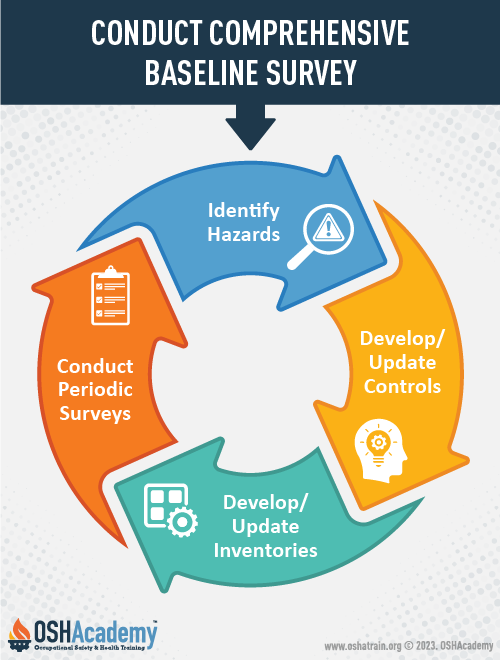
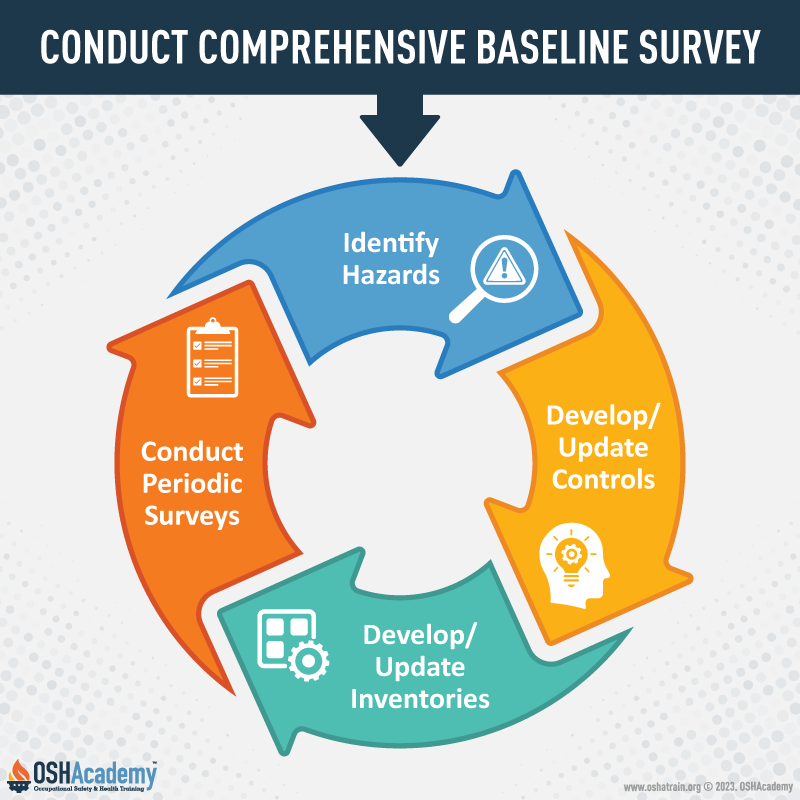
The Comprehensive Baseline Survey
A comprehensive baseline survey and analysis represents the first systematic effort to identify, evaluate, and understand workplace hazards before work begins or continues. It provides a structured overview of existing conditions and establishes a factual foundation for an effective safety and health program.
Specifically, a comprehensive baseline survey is conducted to identify:
- potential hazards that may exist at a new wellsite prior to the start of operations, or
- hazards that currently exist at an active or previously established wellsite.
The survey establishes initial levels of employee exposure—referred to as “baseline” conditions—which can later be compared to results from follow-up surveys, monitoring, or inspections. These comparisons allow employers to recognize trends, identify emerging risks, and evaluate the effectiveness of implemented controls. In simple terms, the baseline survey defines the starting point against which all future changes are measured.
A comprehensive baseline survey should include, at a minimum, a thorough review of relevant historical and operational information, such as previous accidents, injuries, and occupational illnesses; employee complaints or safety concerns; past inspections or enforcement actions; and results from earlier studies or surveys. The evaluation should also consider current work practices, equipment, materials, environmental conditions, and regulatory requirements.
The frequency and scope of comprehensive baseline surveys should be based on the size of the business, the complexity of operations, and the nature and severity of potential hazards. In general, comprehensive surveys should be conducted at least every three years and may be performed by qualified private consultants, insurance company loss-control specialists, and/or state-funded occupational safety and health programs.
Knowledge Check Choose the best answer for the question.
4-1. What process is the first step in understanding the potential and actual wellsite hazards?
You forgot to answer the question!