
Change Analysis
In the dynamic environment of an oil and gas wellsite, change is constant. Equipment upgrades, layout modifications, material substitutions, and process improvements all introduce variables that can significantly impact safety. To prevent these changes from introducing new hazards, a structured Change Analysis process must be implemented.
Change Analysis, often part of the Management of Change (MOC) process, involves evaluating any proposed or actual modifications to ensure they do not compromise the safety of personnel or operations. This evaluation should be conducted by competent individuals with the authority and experience to identify potential hazards and recommend corrective actions.
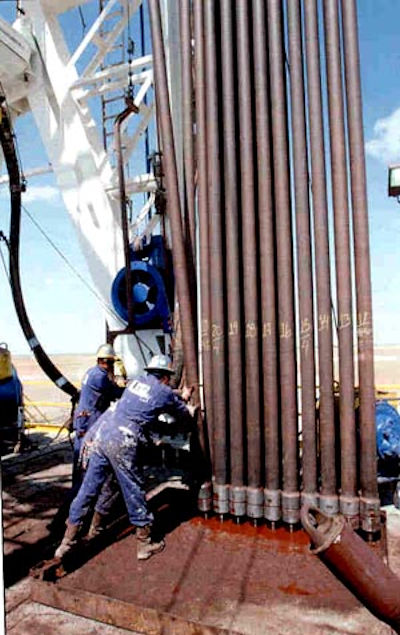
A designated person or team should conduct a formal analysis of how any change—large or small—could affect site safety. This includes evaluating how modifications impact equipment, processes, materials, and human activity. The findings should be documented, and effective controls or redesigns implemented to eliminate or reduce new risks introduced by the change.
Common categories of change requiring review include:
- Wellsite layout changes (e.g., traffic flow, equipment spacing)
- Material substitutions (e.g., chemicals, fuels, construction materials)
- Process technology updates (e.g., automation, system upgrades)
- Equipment changes (e.g., new machinery, relocated tools)
To ensure comprehensive evaluation, conduct a baseline survey of all worksite areas. Analyze how changes in the above categories affect the specific functions, operations, and safety conditions within these areas:
Survey should include these specific site elements:
- Site entrance and traffic routes/surfaces
- Covered walkways and pedestrian paths
- Protection from falling objects (e.g., scaffolds, overhead equipment)
- Designated danger or restricted areas
- Storage zones and employee staging areas
- Hazardous materials and dangerous goods storage
- Barriers, fences, and physical security
- Loading and unloading zones
- Truck bays, ramps, and docking stations
- Graded working areas for heavy equipment (e.g., slopes for excavators)
- Placement and visibility of safety signage
- Pedestrian protection systems (e.g., guardrails, crossings)
- Site-wide security protocols
- General housekeeping, waste management, and site cleanliness
Regular and proactive change analysis not only prevents incidents but also improves operational efficiency by ensuring safety is embedded into every stage of the worksite evolution. Document all findings, track actions taken, and ensure all affected personnel are trained on any changes before work continues.
Knowledge Check Choose the best answer for the question.
4-3. What is the purpose of conducting change analysis?
You forgot to answer the question!