
Warnings
Warnings can come in the form of visuals, sounds, or even physical sensations. These warnings don't stop someone from being exposed to a hazard, but they do act as a signal to alert people to potential danger. This way, people can take steps to protect themselves or avoid the hazard altogether. OSHA's 1910.145, Specifications for accident prevention signs and tags details the following types of signs:
- Danger Signs - Signs that alert people to specific and immediate dangers (including radiation hazards).
- Warning Signs - Signs that warn people of potential hazards that can lead to death.
- Caution Signs - Signs used to alert people to potential hazards. This class can also be used to caution people against certain unsafe practices. This class is for hazards that can result in minor (non-life threatening) accident or injury.
- Safety Instruction Signs - These signs offer instructions for how someone should act or perform to avoid possible hazards.
Administrative/Work Practice Controls
This is the "next best" strategy if engineering control methods are insufficient.
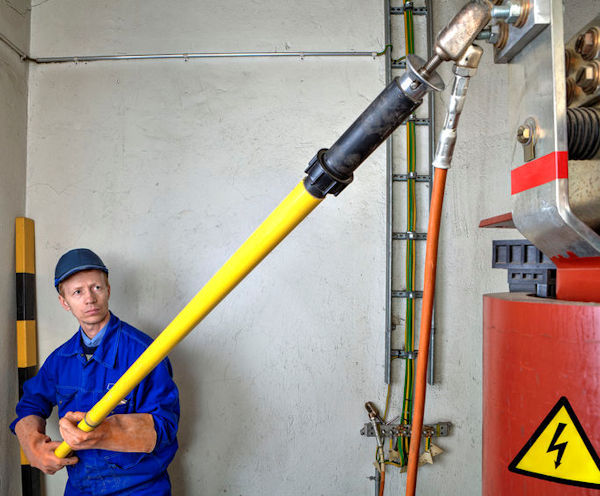
Since we can't get rid of the hazard in a JHA step, we'll need to manage exposure to it with safety precautions. Why are administrative controls lower on the hierarchy of controls? To be effective, administrative/work practice controls must rely on appropriate human behavior.
According to Arthur Bloch's Murphy's Law - Book Two, "any system relying on human behavior is inherently unreliable." That's the problem. Humans can be rather unpredictable. Methods to eliminate or reduce employee exposure to hazards include:
- Rotating workers in jobs that induce body fatigue, such as welders and burners that use vibratory pneumatic tools in tasks such as smoothing welds or removing paint. These pneumatic tools can cause tendon, nerve, or neurovascular disorders.
- Requiring worker in hot environments (such as tanks) to take breaks in cool areas and providing fluids for rehydration
- Proper housekeeping. Reducing clutter reduces the chances for an incident and minimizes the effects if an accident occurs
- Conducting hearing tests
- Directing welders to use their hands and not their necks to raise and lower their welding hoods. Using the neck can cause neck trauma
- Safety training throughout the organization
- Communicating to workers through policies, procedures, and signs
In a best-case scenario, you might be able to eliminate the need for administrative/work practice controls if hazards can be eliminated through the use of engineering controls. The more reliable a hazard control method is, and the harder it is to circumvent, the better. Bottom line: If you can get rid of the hazard, you don’t have to manage exposure to it!
Knowledge Check Choose the best answer for the question.
4-5. If you can eliminate the _____, you don't have to manage _____.
You forgot to answer the question!