
Personal Protective Equipment (PPE) and Clothing
Protective Footwear: Wear protective footwear that meets applicable requirements where there is a risk of foot injury from falling or rolling objects, objects piercing the sole, or electrical hazards. For example, a worker using a jackhammer may need protective-toe footwear when exposed to falling or dislodged debris.
Eye Protection: Wear eye protection that complies with applicable OSHA requirements where there is a risk of flying particles, molten metal, liquid chemicals, acids, or harmful light radiation. For example, a worker using a circular saw needs appropriate eye protection against wood chips and sawdust generated by the cutting process.
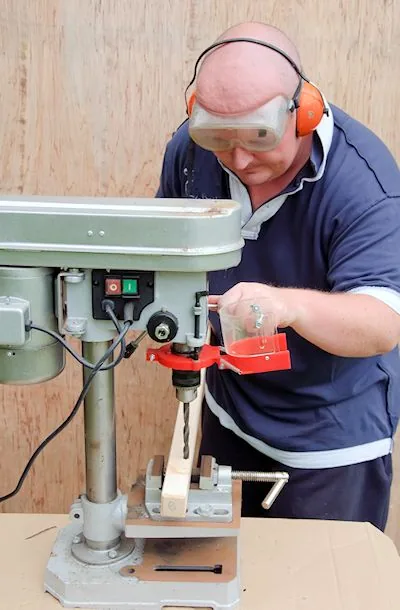
Face Protection: Wear face protection that complies with applicable OSHA requirements when there is a risk of flying debris, chemical splashes, or other face hazards. For example, a worker operating a grinder may need a face shield in addition to safety glasses or goggles to protect against sparks and metal fragments.
Head Protection: Wear protective helmets in areas where there is a danger of head injury from falling or flying objects or from electrical shock. Select protection based on the hazards identified for the task.
Long Hair: Long hair must be tied back or secured to prevent entanglement with moving parts or machinery. For example, tie back long hair before operating a drill press.
Respiratory Protection: When respiratory protection is necessary, employers must provide appropriate respirators and comply with OSHA's respiratory-protection requirements. For example, sanding materials that produce hazardous dust may require respiratory protection.
Jewelry: Do not wear jewelry when working with equipment that has moving parts because it could become entangled. For example, remove rings and bracelets before using a table saw.
Gloves: Hand protection is required when employees are exposed to hazards such as chemicals, cuts, punctures, or temperature extremes. However, gloves should not be worn around rotating parts where they could become caught. For example, do not wear gloves while operating a drill press.
Protective Clothing: Wear suitable protective clothing when exposed to hazards such as sharp objects, chemicals, or extreme temperatures. When using a grinder, drill, or lathe, secure loose sleeves and clothing to prevent entanglement in rotating components.
Knowledge Check Choose the best answer for the question.
2-9. What is an unsafe practice when working with power tools?
You forgot to answer the question!