
Hand Tool Safety
Introduction
This first module examines the various hazards associated with working with tools and identifies ways to prevent worker injury through proper use of tools and personal protective equipment.
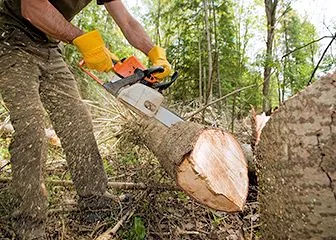
The employer is ultimately responsible for the safe condition of tools and equipment used by employees. Employers should never issue or permit the use of unsafe hand or power tools.
Only qualified persons may work on electrical equipment that has not been de-energized. A competent person may be designated to identify electrical hazards and take prompt corrective measures. The definitions of competent and qualified persons are provided below:
- Competent Person (CP): An individual who is capable of identifying existing and predictable hazards in the surroundings or working conditions that are unsanitary, hazardous, or dangerous to employees, and who is authorized to take prompt corrective measures to eliminate them. This designation is based on training, knowledge, and experience in the specific area being addressed, as well as authority granted by the employer.
- Qualified Person (QP): A person who possesses a recognized degree, certificate, or professional standing, or who, through extensive knowledge, training, and experience, has successfully demonstrated the ability to solve problems related to the subject matter, the work, or the project. This term emphasizes credentials and specialized training over authority.
Five basic safety rules can help prevent hazards associated with the use of hand and power tools:
- Keep all tools in good condition with regular maintenance.
- Use the right tool for the job.
- Examine each tool for damage before use and do not use damaged tools.
- Operate tools according to the manufacturer's instructions.
- Provide and properly use the right personal protective equipment.
Employees and employers should work together to establish safe working procedures. If an employee encounters a hazardous situation, it should be brought to the attention of the supervisor or another responsible person immediately for hazard abatement.
Knowledge Check Choose the best answer for the question.
1-1. Who is ultimately responsible for the safe condition of tools and equipment?
You forgot to answer the question!