
Removing the Horsehead (Pumping Unit Only)
The horsehead is the curved metal piece attached to the end of the walking beam on a pumping unit. It connects to the polished rod, which moves up and down to pump fluids from the well. Before any work can be done on the wellhead equipment, the horsehead usually must be removed. This allows the crew to reach the wellhead safely and begin maintenance or service tasks.
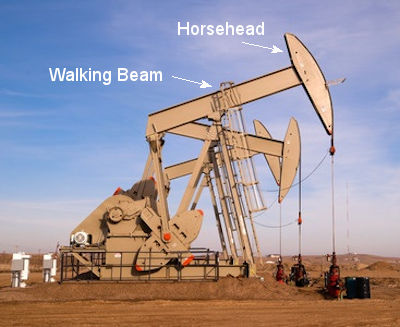
Removing the horsehead is a common step during workover operations. It is a heavy piece of equipment and must be handled carefully. Workers use hoisting tools and follow safety procedures to lower it safely to the ground. The unit must be shut down and secured before starting this job to prevent accidents.
Potential Hazards
Several hazards are present when removing the horsehead. Workers must be aware of these risks and take steps to prevent injury or equipment damage.
- Having the unit start up while working on equipment
- Being struck by counterweights on the pumping unit
- Being struck by dropped horsehead or caught between horsehead and walking beam
- Getting fingers and hands pinched and caught between tools and/or equipment
- Being struck by falling tools or equipment
- Falling from an elevation
Possible Solutions
To reduce the risk of injury, workers must follow safe work procedures and use the appropriate tools and equipment for the job. The following actions help create a safer work environment:
- Use lockout/tagout procedures, including mechanically securing the flywheel. Lockout/tagout isolates all hazardous energy sources and prevents the pumping unit from starting or moving unexpectedly. Mechanically securing the flywheel provides an additional safeguard against unintended rotation while maintenance or servicing is being performed.
- Inspect all slings before use. Check slings for cuts, broken wires, excessive wear, damaged fittings, or other defects that could reduce their strength. Using damaged slings increases the risk of load failure, which can result in dropped loads, equipment damage, and serious injuries.
- Use tag lines to control and position the horsehead during removal or lowering. Tag lines allow workers to guide the suspended horsehead from a safe distance, helping prevent swinging, spinning, or unexpected movement. They also help keep workers out of the fall zone and away from pinch points and other struck-by hazards associated with suspended loads.
Knowledge Check Choose the best answer for the question.
4-2. What do tag lines help prevent when guiding the suspended horsehead?
You forgot to answer the question!