
Controlling Equipment Hazards
Barges present unique hazards to equipment operators due to limited space, unstable surfaces, and changing conditions. These factors can increase the chance of injury if equipment is not handled correctly.
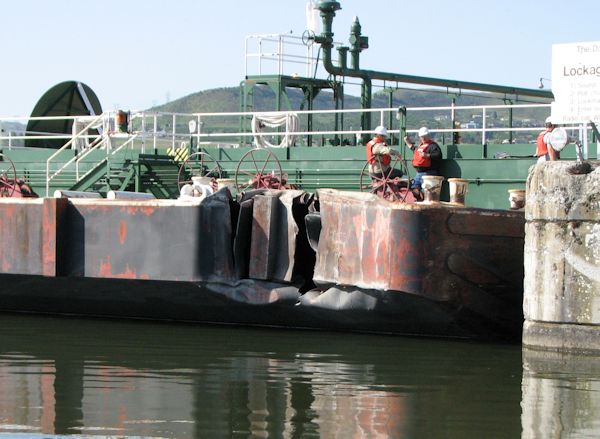
Common injuries include cuts, bruises, crushed limbs, and burns. Workers may get hands, feet, or clothing caught in moving parts, be struck by falling objects or moving equipment, or suffer burns from hot surfaces. Other serious risks include being pinned under a shifting load, falling from equipment, and suffering electric shock during operation or repair.
To help protect workers and reduce risks from equipment and machinery, the following safety practices must be followed:
- Inspect all equipment before use: Regular inspections help identify damage, wear, or defects that could cause the equipment to fail during use.
- Maintain equipment properly: Keeping equipment clean, lubricated, and in good condition helps prevent breakdowns and unsafe operation.
- Shut down and lockout the power source: Lockout/tagout procedures prevent equipment from being accidentally started while someone is working on it.
- Make repairs according to the manufacturer's guidelines: Following proper procedures ensures repairs are done safely and equipment continues to operate as designed.
- Ensure workers are trained in equipment use and maintenance: Only trained and authorized workers must operate or maintain machinery to reduce the risk of accidents caused by misuse.
- Install appropriate rails: Guardrails provide a physical barrier that helps prevent equipment from rolling or falling into the water.
- Ensure retaining pins are properly installed: Retaining rings must be secured with a keeper or locking device. Securing pins correctly prevents moving parts from coming loose or detaching during use.
- Emergency shut-offs must be easily accessible: Sufficient guarding should be used for equipment controls. Operators must be able to stop machinery quickly in an emergency, and guards help prevent accidental contact with dangerous moving parts.
Knowledge Check Choose the best answer for the question.
4-2. During a routine inspection, an operator notices a retaining pin missing from a piece of equipment. What should the operator do next?
You forgot to answer the question!