
Where Confined Spaces are Found
Confined spaces can be found in various workplaces and industries, including but not limited to:
- Manufacturing: Confined spaces can be found in manufacturing facilities such as tanks, vessels, and boilers used for chemical processing or other industrial processes. Examples of confined spaces in this industry include storage tanks, mixing vessels, and pressure vessels.
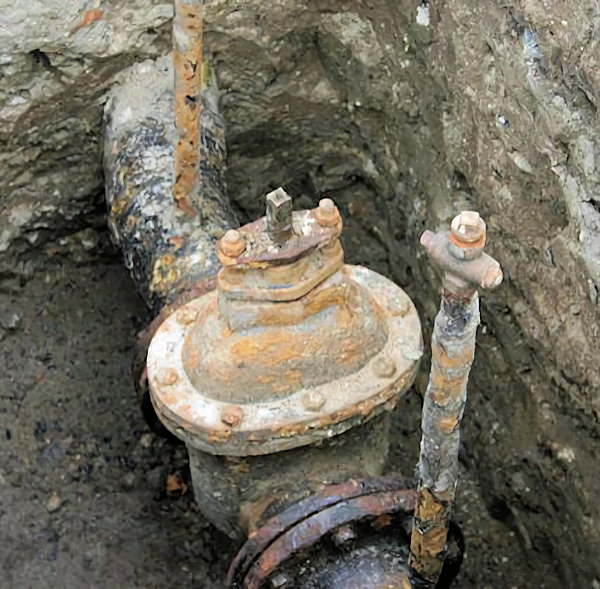
- Construction: In the construction industry, confined spaces can include trenches, excavations, and underground tunnels. Other examples include manholes, sewers, and utility vaults.
- Mining: The mining industry uses confined spaces such as underground mines, tunnels, and shafts. These spaces can be hazardous due to the presence of toxic gases, explosive dust, and the potential for cave-ins.
- Energy: In the energy sector, confined spaces can be found in power plants, refineries, and other facilities that process or store hazardous materials. Examples include boilers, tanks, pipelines, and furnaces.
- Transportation: Confined spaces can be found in various modes of transportation, including ships, airplanes, and trains. Examples include cargo holds, fuel tanks, and engine compartments.
No matter the industry, confined spaces can be found in a variety of locations. See the list below for more examples.
- Storage tanks
- Silos and grain bins
- Sewers and manholes
- Utility vaults
- Pipelines
- Process vessels
- Digesters and fermentation tanks
- Pump stations
- Tunnels
- Mines
- Wells
- Excavations and trenches
- Crawl spaces
- Ship cargo holds
- Wastewater treatment facilities
It is difficult to determine which industry has the most confined spaces. However, some industries such as manufacturing, chemical processing, and mining typically have a higher concentration of confined spaces due to the nature of their work and the types of equipment and structures they use.
OSHA 1910.146, Permit-required confined spaces, does not address the unique characteristics of confined spaces in construction, therefore OSHA created a separate rule, 1926 Subpart AA, Confined Spaces in Construction , to protect employees from the hazards resulting from exposure to confined spaces in the construction industry. For more information on confined spaces in contruction, take OSHAcademy Course 816.
Knowledge Check Choose the best answer for the question.
1-4. What industries typically have a greater number of confined spaces?
You forgot to answer the question!