
Electrical Protective Equipment
Electrical Personal Protective Equipment (PPE)
Employees working in areas where there are potential electrical hazards must be provided with, and use, electrical protective equipment. This equipment should be appropriate for the specific parts of the body protected and for the work performed. Personal Protective Equipment refers to items typically worn by a worker to provide protection from recognized hazards. PPE for the electric power industry generally includes:
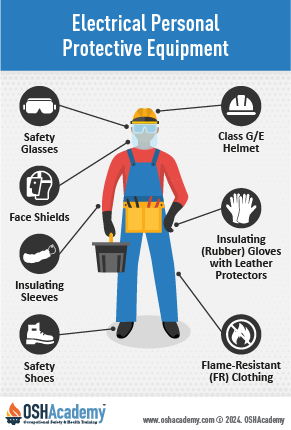
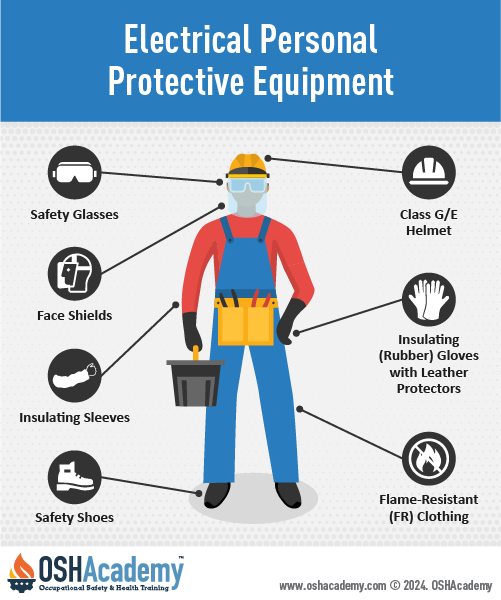
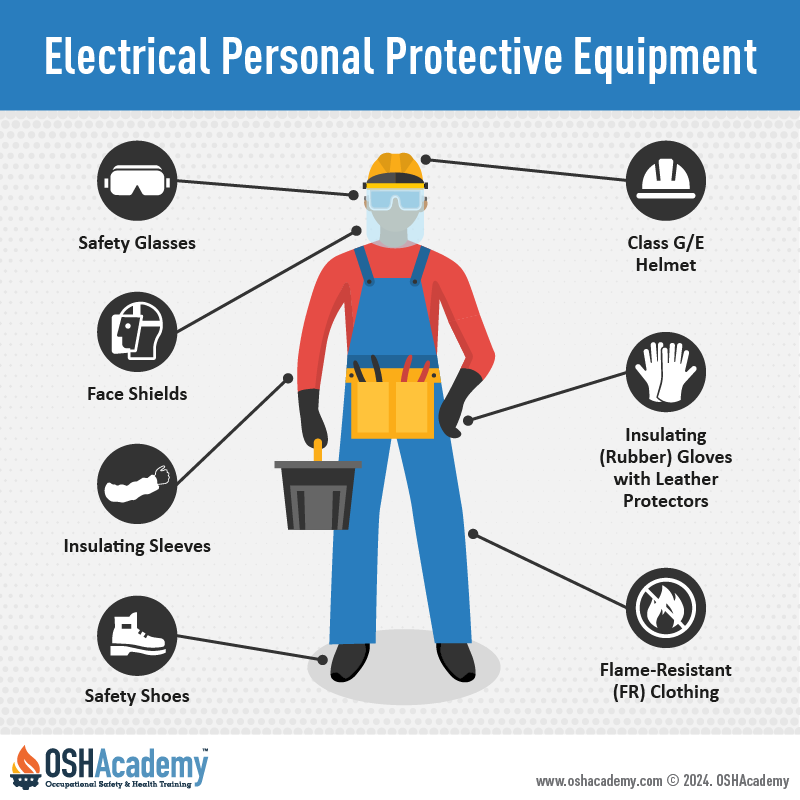
- safety glasses,
- face shields,
- hard hats,
- safety shoes,
- insulating (rubber) gloves with leather protectors,
- insulating sleeves, and
- flame-resistant (FR) clothing.
Electrical Protective Gloves
Protector gloves must be worn over insulating gloves. An exception is allowed when using Class 0 gloves under limited-use conditions in which manipulating small equipment and parts requires unusually high finger dexterity.
Any other class of glove may be used for similar work without protector gloves if the employer can demonstrate that the possibility of physical damage to the gloves is small and if the class of glove is one class higher than that required for the voltage involved. Insulating gloves that have been used without protector gloves may not be used at a higher voltage until they have been tested.
For more information on electrical PPE, see OSHA's Electric Power Generation, Transmission, and Distribution - Personal Protective Equipment (PPE) webpage.
Insulating Protective Equipment (IPE)
Electric power workers on high-voltage circuits (600 V and above) often use insulating protective equipment (IPE). Like PPE (for example, insulating gloves and sleeves), IPE provides workers with protection against contact with energized conductors, but unlike PPE, it is not worn on the body.
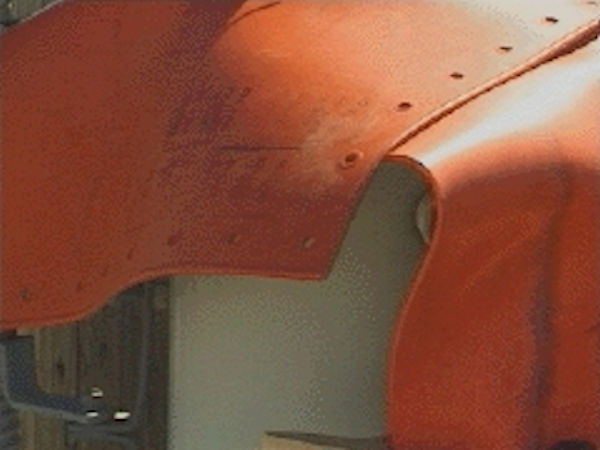
IPE includes the following:
- Insulating (rubber) line hose, blankets, and hoods.
- Insulating barriers made of fiberglass or phenolic resin.
- Live-line tools such as hotsticks, switchsticks, and shotgun sticks.
- Plastic or fiberglass hardcover items that can be installed with live-line tools.
For more information on IPE, see OSHA's Electric Power Generation, Transmission, and Distribution - Insulating Protective Equipment (IPE) webpage.
Knowledge Check Choose the best answer for the question.
2-7. Which of the following is a category of insulating protective equipment (IPE)?
You forgot to answer the question!