
Tool Best Practices
Following these best practices in proper tool use is important and can save your life.
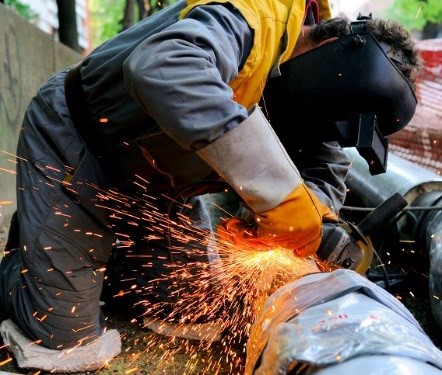
Hand and power tool safety must be a personal value.
Inspection and Maintenance
- Conduct daily visual inspections of tools and machinery (e.g., drawworks, hoisting lines, tongs).
- Perform thorough monthly inspections and document defects.
- Red tag faulty equipment for service and remove from use until repaired.
- Use lockout/tagout (LOTO) procedures to prevent accidental startup during maintenance.
Proper Handling and Use
- Operate tools only by qualified personnel.
- Secure tools when working at heights to prevent falls.
- Use guards on moving parts like belts, chains, and gears.
- Avoid modifications to manufacturer safety features on power tools.
Storage and Workspace Management
- Store tools properly to avoid clutter and tripping hazards.
- Keep work areas clean and free of oil, debris, and unnecessary items.
- Use non-skid surfaces and barriers around hazardous areas like mud tanks.
PPE and Ergonomics
- Wear appropriate PPE such as hard hats, gloves, safety shoes, eye protection, and high-visibility vests.
- Install ergonomic features like safety handles on equipment to reduce strain and pinch risks.
Specialized Equipment Protocols
- Inspect and test safety devices (e.g., crown savers, relief valves) regularly.
- Use rated rigging and lifting devices with risk assessments for temporary setups.
- Follow specific guidelines for wire ropes, tongs, elevators, and pressure equipment.
Knowledge Check Choose the best answer for the question.
3-3. What practice helps prevent accidental startup of equipment during maintenance?
You forgot to answer the question!