
Incident Reporting
An incident is any unplanned, undesired event or occurrence in the workplace that has (or could have) negative safety or health consequences.
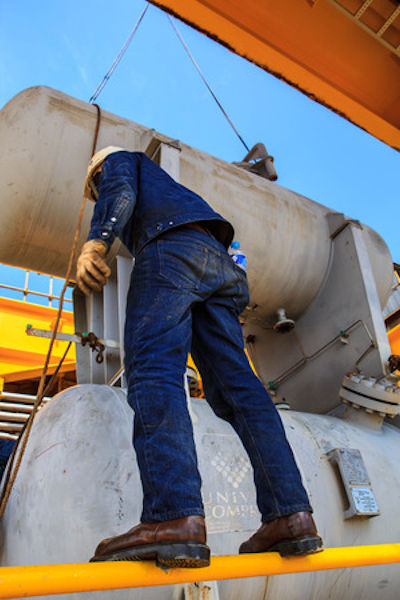
This includes:
- Events resulting in injury or illness, such as slips, trips, falls, burns, or chemical exposures
- Near misses (no injury occurred, but it could have), such as a dropped tool narrowly missing a worker
- Property damage or other disruptions, such as a small fire on a production deck or a failure of equipment that causes a shutdown
In the oil and gas industry, incidents can happen on drilling rigs, production platforms, service vessels, pipelines, and at processing facilities. Incidents often involve heavy equipment, hazardous materials, high pressure systems, and complex operations, which makes strong reporting and investigation practices vital.
When workers are offshore, all injuries or illnesses must be reported and documented. No injury or illness is too minor to report. This includes both work-related and non-work-related injuries or illnesses that occur while on duty or on the installation.
Steps After an Incident
For incidents involving injuries, no matter how minor, employees should report them to a supervisor immediately. Prompt reporting helps ensure the injured person gets proper care and that the scene is preserved for investigation.
For near misses or an incidents not involving injury, employees should report them to a supervisor as soon as practicable (within 1 hour). Quick reporting allows safety teams to take corrective action to prevent a future serious accident.
Written incident reports should be submitted within 4 hours of the event. These reports document what happened, who was involved, where it occurred, and what hazards were present. Preliminary accident investigation reports must be submitted within 24 hours. These reports begin to identify root causes and immediate corrective actions.
Contractors must submit completed investigation reports no later than 7 days after the incident. These final reports must include detailed findings, root cause analysis, corrective action plans, and recommendations to prevent recurrence.
Knowledge Check Choose the best answer for the question.
2-4. When should employees report incidents involving injuries to a supervisor?
You forgot to answer the question!