
Write Smart Objectives
When constructing training objectives, the main question to answer is: What should the participant be able to do differently, or more effectively, after the training is completed?
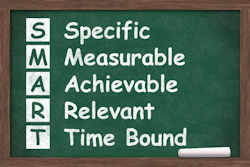
The SMART safety list stands for Specific, Measurable, Achievable, Relevant, and Time-bound. SMART objectives help guide the development of training goals by making sure each goal is clear and trackable.
The SMART model is one method used to build practical and effective objectives.
Specific: Objectives must clearly state what the participant is expected to learn or do. Being specific helps eliminate confusion and sets a clear target.
- Example: Instead of saying "Understand fire safety," a specific objective would be: "List the five classes of fire and identify the correct fire extinguisher for each."
Measurable: Objectives must be measurable so the instructor can track progress and know if the objective has been met.
- Example: "Demonstrate how to properly wear a fall protection harness with 100% accuracy during a hands-on drill."
Achievable: Objectives must be realistic for the time and resources available. Goals that are too difficult may lead to failure and frustration.
- Example: "Complete a 30-minute confined space entry checklist during the training session using the company’s standard procedure."
Relevant: Objectives must be tied to the overall purpose of the training and lead to the desired results of the organization.
- Example: "Explain the steps to lock out machinery before maintenance work, as required by OSHA lockout/tagout procedures."
Time-bound: Objectives must include a deadline or time frame for completion. This sets urgency and helps with tracking progress.
- Example: "By the end of the training session, perform an emergency evacuation drill following the site’s emergency action plan."
Using the SMART model helps trainers and learners stay focused on what needs to be achieved and ensures that training outcomes can be measured and improved.
Knowledge Check Choose the best answer for the question.
3-4 Which SMART Model element states that operational objectives should lead to desired results?
You forgot to answer the question!