
Defective Insulation Hazards
Insulation that is defective or inadequate is an electrical hazard. Usually, a plastic or rubber covering insulates wires. Insulation prevents conductors from coming in contact with other conductors and with people.
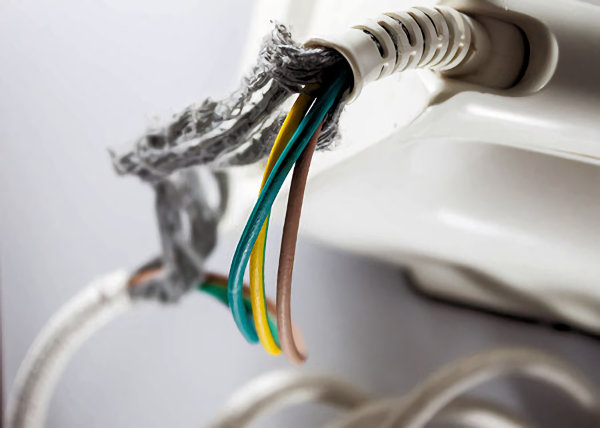
Extension cords may have damaged insulation. Sometimes the insulation inside an electrical tool or appliance is damaged. When insulation is damaged, exposed metal parts may become energized if a live wire inside touches them. Electric hand tools that are old, damaged, or misused may have damaged internal insulation. If you touch damaged power tools or other equipment, you will receive a shock. You are more likely to receive a shock if the tool is not grounded or double-insulated. Double-insulated tools have two layers of insulation and no exposed metal parts.
Improper Grounding Hazards
When an electrical system is not grounded properly, a hazard exists.
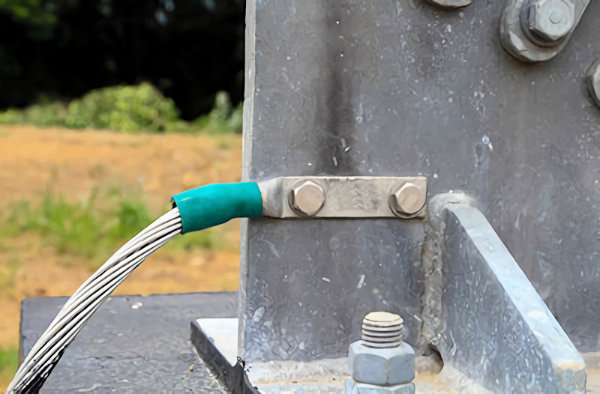
The most common OSHA electrical violation is improper grounding of equipment and circuitry. The metal parts of an electrical wiring system that we touch (switch plates, ceiling light fixtures, conduit, etc.) should be grounded and maintained at 0 volts. If the system is not grounded properly, these parts may become energized. Metal parts of motors, appliances, or electronic equipment that are plugged into improperly grounded circuits may become energized.
Knowledge Check Choose the best answer for the question.
5-7. Double-insulated equipment must meet which of the following two criteria?
You forgot to answer the question!