
Housekeeping
Poor housekeeping creates a disorderly workspace, which increases the risk of ergonomic and other injuries while handling, moving, and storing materials. Employees can spend less time moving materials and more time performing skilled tasks. Ultimately, poor housekeeping decreases productivity.
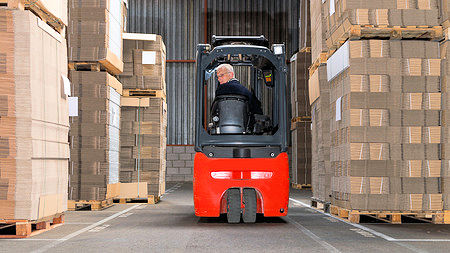
Uncluttered working conditions are essential to the safety of all workers and should be maintained at all times in both work and office areas. Proper housekeeping management provides for an orderly arrangement of operations, tools, equipment, storage facilities, supplies, and waste material.
Maintaining the below conditions contributes significantly to lower injury and illness rates:
- floors free from grease and oil spillage;
- properly identified hallways, isles, and passageways;
- unobstructed accesses and exits;
- neat and orderly machinery and equipment;
- well-nested hoses and cords;
- properly stored materials;
- removal of excess waste material or debris from the working area;
- walkways free from ice and snow;
- surfaces, including elevated locations, free from accumulated dust; and
- adequate lighting.
It's also important to understand that OSHA sees poor housekeeping during many of its inspections, especially on construction sites. When OSHA inspectors see poor housekeeping, they may assume that a messy workplace is not a safe workplace. If workers are not paying attention to good housekeeping practices, inspectors may assume they are probably not paying attention to safe work practices either.
As a result, inspectors may be more likely to look closely for violations. So, it's not only smart safety but also smart business to keep the workplace clean and orderly.
Knowledge Check Choose the best answer for the question.
4-2. What is an OSHA inspector likely to think when they see good housekeeping in the workplace?
You forgot to answer the question!